Loading...
MIND GAMES BOX SET – 2025 GRAMMY® AWARD WINNER!
The story behind the Art Direction and design of the GRAMMY® Award Winning Limited Edition Box Set


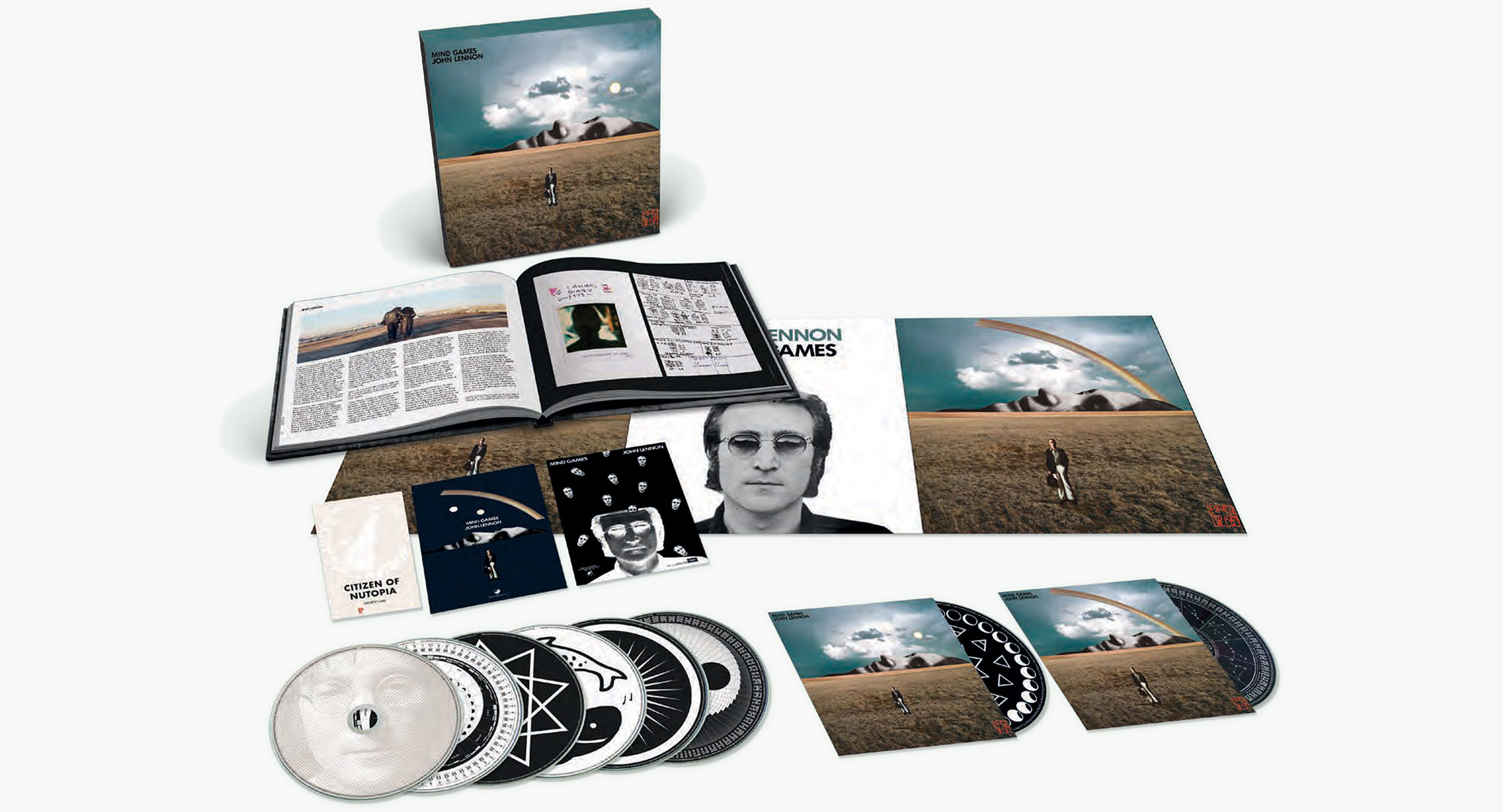
Art Directors Sean Ono Lennon and Simon Hilton have won the 2025 GRAMMY® Award for Best Boxed or Special Limited Edition Packaging for JOHN LENNON – MIND GAMES (The Ultimate Collection) Super Deluxe Box Set.

Official photo courtesy of Rankin for the Recording Academy®.
Sean Ono Lennon: “I just wanna say that it was a great honour for me to work on the music of my father. John & Yoko’s message of peace and love – I feel like it’s still very important so I’m going to really work my hardest to keep The Beatles and John Lennon’s music out there in the world.”
THANKYOUS
We would like to sincerely thank the Academy for this great honour in celebrating our love letter to John & Yoko.
Thanks to our fantastic teams at Universal Music Recordings (UMR), UMe, Studio One, GZ Media, Urban Consumer Products, Thames & Hudson, Abbey Road, Type40 and Loud Beings.
It took an army of artists to create and promote this project and we’d like to thank – amongst many others – Faye Fanneran, Paul McGhie, Drew Tetz, Alex Aiken, Rob Spence, Mel Clarke, Helen Royds, Ed Fairburn, Viola Timoncini, Chris Ramsay, Michal Peřinka, Petra Laštovičková, Marc Djakeli, Sam Gannon, Grace Davyd, Darren Evans, Chris Hawkins, Iain Macmillan, Tristan DeLancey, Jane Laing, Nick Jakins, Georgina Kyriacou, Sadie Butler, Guy Hayden, Emita Meetarbhan, Graham Simpson, James Swindells, Mobile Mike, Daniel Westminster, Lloyd Thomas, Martyna Dari, Nadja Sulatskaia, Alexander Ward, Julieta Oleandra, Daniel Brown, James Chads, Jon Hendricks, Sara Seagull, Richelle DeLora, Elizabeth Gruen, Dick Cavett, Berit Ås, Inge Ås, Pat Thomas, Dan Richter, Jill Richter, Peter Bendrey, Diana Hilton, Chris Claremont, Alex Crowe, Anna Mostyn-Williams, Derek De Fillippo, Marie Lacey, Robin Titone, Goldie Friede, Barbara McDede, Dave Northrop, Bruce W Goldstein, Simon Marbrook, Edward Gallagher, Aria Alagha, Sophie Hilton, Toni Tuesday, Nick Long, Alex Myers, Haris Abbey, Bruno Morelli, Lee Jenson, Andrew Waterfield, George Rennie, Myles Clarke, Paul Evans, Nick Barratt, Will Dyson, Rich Osborn, Trish McGregor, Joe Marziotto, Karla Merrifield, Sari Henry, Sibyl Bender, Marcia Bassett, Michael Sirianni, Nick Lalla, Connor Monahan, Helen Barden, David Newgarden, Corrie Deeb, Bob Deeb, Chanda Misevis, Casady Gifford, Bridget St. John, Mary Ellen Budney, Murray Chalmers, Jack Delaney, Tim Plumley, Sujata Murthy, Jane Ventom and Elliot Mintz.
Thanks to John & Yoko, David Plowden and Bob Gruen for John’s beautiful photocollage cover artworks, and Bob for your wonderful photos throughout.
We were delighted to reunite John’s original Plastic U.F.Ono Band who all contributed generously to the project with their words, wisdom and ears, including: Jim Keltner, David Spinozza, Gordon Edwards, Ken Ascher, Jocelyn Brown, Christine Wiltshire, Rick Morotta, Michael Brecker and Sneaky Pete plus engineers Roy Cicala, Dan Barbiero and Jimmy Iovine.
Our incredible audio engineering team: Paul Hicks, Sam Gannon, Rob Stevens, Alex Wharton, Matthew Cocker, Sayyd Droullard, Paul Goodrich, Robert Norris, Mark Berger, Lucinda Woodward, Thomas Hall, Kobi Quist, Hannes Wannerberger, Fiona Gillott, Lucy Launder, Peach Kazan and the team at Abbey Road.
To Jonas Herbsman, Adam Barker and Hannah Neaves & Azi Eftekhari at UMR for encouraging us to pursue the absolute best qualities and highest standards possible.
To our families – Lucienne, Amelie & Anabelle, Charlotte, Kyoko, Emi, Jack, Julian and John & Yoko.
And a massive thankyou to John & Yoko – may your ‘Mind Games’ keep raising the spirit of Peace and Love for many, many years to come.
For the final piece of the Mind Games puzzle, please visit escapetonutopia.com
Thankyou.

DESIGNING THE SUPER DELUXE LTD EDITION BOX SET

BUILT TO LAST – WITH LOVE, ADMIRATION & APPRECIATION
Sean Ono Lennon: I wanted to make something that would occupy record collectors for years, because there’s all these games and puzzles and illusions and hidden aspects. I wanted it to be something that would withstand the test of time as an object of interest for people. And on another level, I think it’s remarkable that you’re also getting Limited Editions of the artworks ‘You Are Here, 1968’ and ‘Danger Box, 1968’ by my parents.
What better way for me to express my love and admiration for my Dad than to try to do something really special with his music today, you know? In fact, I think the only meaningful way that I can show my love to him is to really meticulously work on his music and meticulously work on reintroducing it to the world, to keep it in the consciousness of the culture. I want to make sure that John & Yoko’s work and their message doesn’t get lost. And so I do think the whole thing is, is in a way, my attempt to express and show my love for them and my appreciation of their work and how much it’s influenced me.
New documentary (above) explores the making of the Box Set, narrated by Sean Ono Lennon.
EXPLORING THE ART DIRECTION IN THE BOX SET.
Art Directors: Sean Ono Lennon & Simon Hilton.
Designers: Sean Ono Lennon, Simon Hilton, Drew Tetz, Alex Aiken, Mel Clarke, Helen Royds, Ed Fairburn, Viola Timoncini, Rich Osborn, Chris Ramsay, James Swindells, Faye Fanneran, Michal Peřinka, Darren Evans, Aria Alagha, Paul McGhie.
Illustrators: John Lennon, Yoko Ono, Ed Fairburn.
Photographers: John Lennon, Yoko Ono, David Plowden, Bob Gruen, Iain Macmillan.
Manager: Jonas Herbsman

JOHN LENNON – MIND GAMES – INTRODUCTION
In early 1973, tired of the relentless hangers-on, doorstepping weirdos and the FBI, CIA and police surveilling and phone-tapping their Bank Street apartment in teenwich Village, it’s not widely known that John & Yoko escaped New York to stay in Los Angeles – where they lived at the Beverly Hills Hotel for three months – in order to promote Yoko’s Approximately Infinte Universe album with Capitol Records, take back control of their lives and realign their future plans, before moving back to New York – but this time into the safety and high-security of the Dakota building on the Upper West Side, overlooking Central Park.

In the wake of Nixon’s re-election, and keen to maintain their morals as non-violent peaceniks, they abandoned their political associations with ‘street fighting’ Yippies Jerry Rubin and Abbie Hoffman and instead spearheaded two now-legendary One To One fundraising concerts supporting abused and handicapped children with special needs.

They embraced the more cerebral politics of the Women’s Movement and attended the first Feminist Conference at Harvard, organised by the National Organization for Women.
They ended their management contracts with Allen Klein and began managing and taking control of their own business interests with the help of their own legal teams.
They protested less publicly and embraced magical thinking more privately.
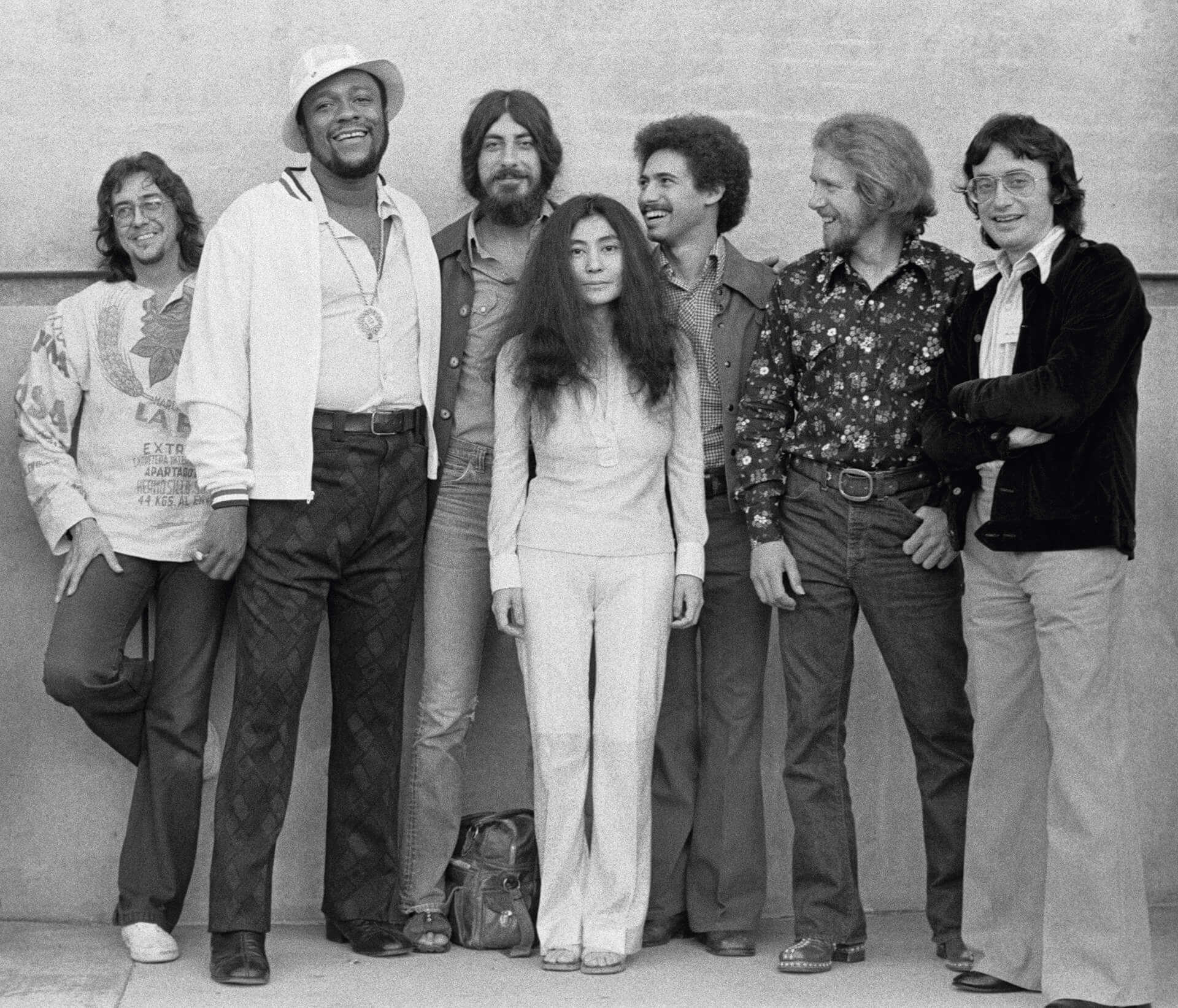
They abandoned the loose, rowdy twelve-bar panm sessions with Elephant’s Memory and employed more sober, professional and experienced session musicians in order to explore more sophisticated musical genres.
And John wrote and produced (this time without Phil Spector) MIND GAMES, an incredible album filled with optimism, hope and honesty, and love songs for Yoko.

The MIND GAMES album has always been something of a cult classic. It’s a masterpiece of songwriting, recording and arranging, showcasing Lennon at a creative high, with a band that Yoko hand-picked from New York’s most proficient and professional session musicians.
However the original 1973 mix of the album fell sonically short of its full potential due to John becoming rushed and distracted during the final mixing and mastering stages while finishing the album. This, coupled with a somewhat incoherent marketing strategy meant that the album never really reached the full potential or attention it deserved, remaining more of a hidden jewel or fan-favourite in the Lennon discography – until now.

MIND GAMES – THE ULTIMATE COLLECTION
In 2022, with Sean Ono Lennon at the helm of the Ultimate Collection team, they began with brand new high-resolution transfers of the multitrack masters, and a long process of painstakingly completely rebuilding the album from scratch in the best possible acoustic environment, with the mixing and engineering skills of Paul Hicks and Sam Gannon.

When approaching the Ultimate Collection series, Sean Ono Lennon and collaborator Simon Hilton always start the creative audiovisual process by looking at what defines the music, the era and the artwork for the album.
They examine all the archive multimedia from the period including photos, film, video, drawings, lyrics, diaries, texts and all of John & Yoko’s original artworks and designs for the sleeves and advertising.
Meanwhile, Matthew Cocker at Abbey Road Studios creates brand new, high definition digital transfers of all the original recordings – from demos to multitracks – which becomes the basis for the lengthy remixing process.

ART DIRECTION REFERENCE POINTS
We restored all the original cover and poster artworks by rescanning and re-photographing all best-quality elements at the highest possible resolutions and painstakingly remaking them from scratch to exactly match the originals.
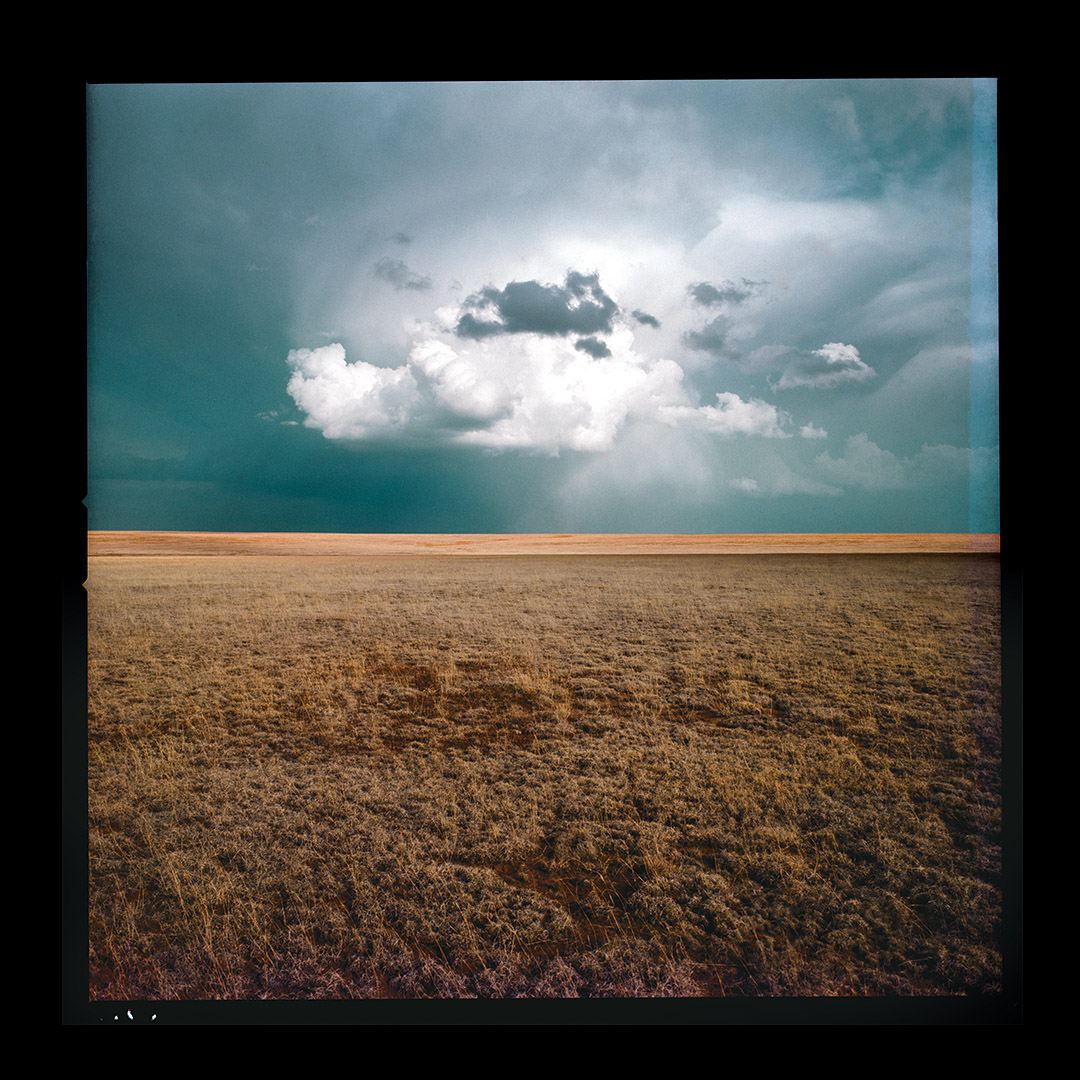
JOHN’S PHOTOCOLLAGE COVER
The background image we discovered to be a photograph – The High Plains, New Mexico – photographed by David Plowden east of Las Vegas, New Mexico in 1972, first published in his book Floor of the Sky, 1972. The original negative was kindly found and rescanned in 2022 by Mary Ellen Budney, Stephen Goeman and David Driscoll at Beinecke Rare Book & Manuscript Library at Yale University, where David Plowden’s collection resides.

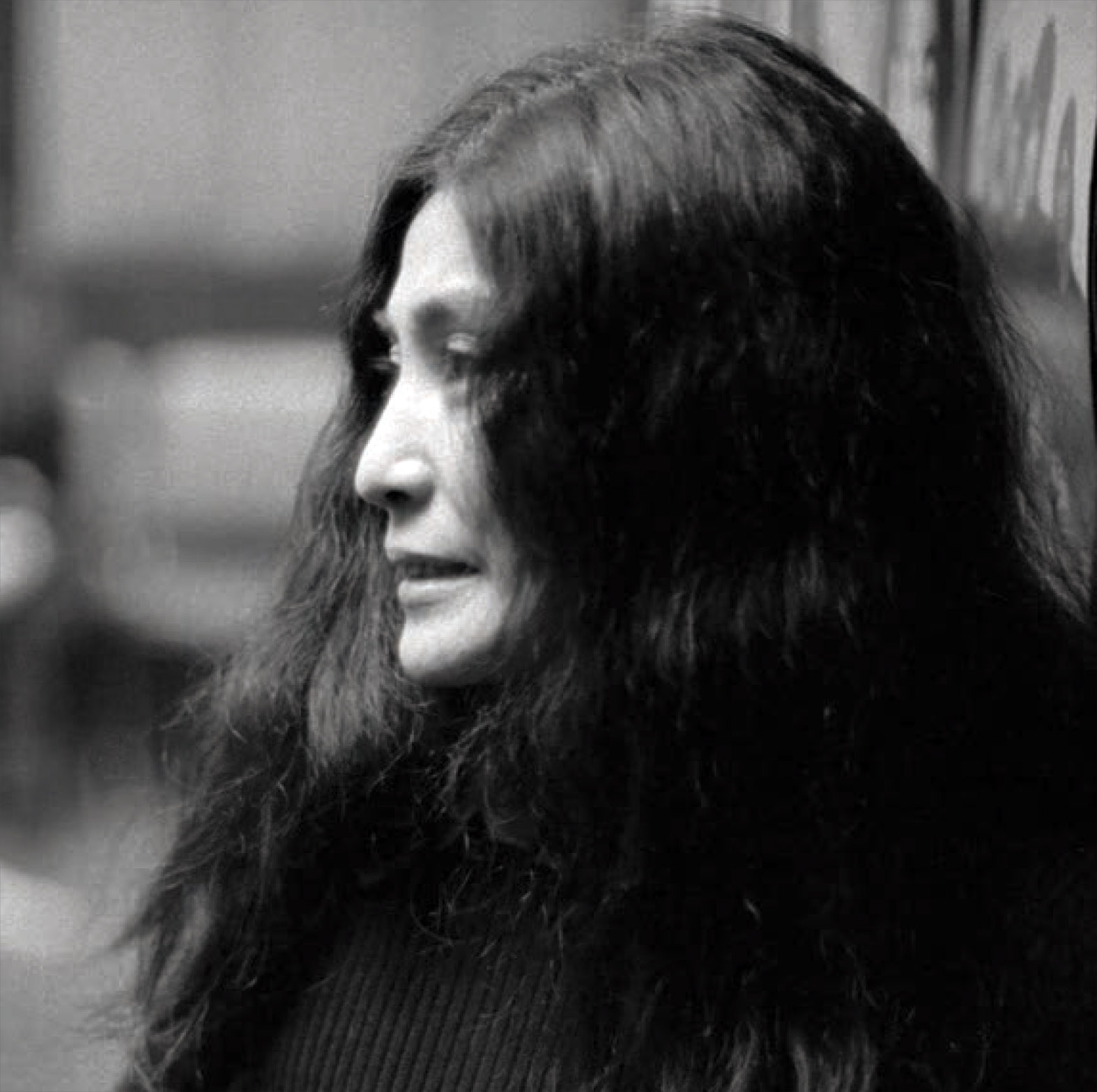

The image of John was sourced from a polaroid photographed by Yoko at the airport as they were travelling to Washington DC on 27 June 1973. This was sourced in the Lenono archive and rescanned.
The photograph of the Yoko mountain was originally a portrait of Yoko at the Record Plant studio in 1973 by Bob Gruen, and was kindly rescanned from the original negative at Bob Gruen’s studio.
The sun, moon and rainbow we presume were cut from magazine pages of the time, from something similar to this Kool Milds advertisement.


Mind Games - original front and back LP covers (1973).

Mind Games - restored front and back covers (2024).
John: I made that cover by hand like a montage. It’s sort-of like a prediction. There is Yoko lying down like that and there’s me walking away with the briefcase. And after that is when we split.
So it’s sort of apparent in the Mind Games period although it wasn’t apparent on a conscious level. It wasn’t intentional.
They made a nice logo at Capitol and combined the shots, front and back, so he comes and goes like that, right? I planned it to be like a movement, but I didn’t plan to do that, you know. I was seeing it as two frames from a movie, that it would be a movement. I didn’t actually think of the physical idea of doing that (putting one on the front cover and one on the back cover) which is a very good idea.

USING THE MOTIFS ELSEWHERE
Many of the design motifs in the box and books were taken as reference John’s original album cover photocollage elements:

TYPOGRAPHY
For authenticity and style, we best-matched the original typeface used on the album cover and inner sleeve to the font Futura PT Demi – and matched its relative weights, kerning and leading in Photoshop, Illustrator, inDesign, and elsewhere across the campaign in videos and advertisements.

These were then used throughout the box set for embosses and type on the boxes, and headers throughout the books.
They were also used for graphics, advertising and posters.


3 of 25 flyposter and postcard designs used for promoting the releases in 2024.
BRAND COLOURS
Sean was keen to use this beautiful dark teal as the main brand colour for the majority of the box, combined with complimentary accents of white, black, red, silver and gold.

MIND GAMES – THE LYRICS
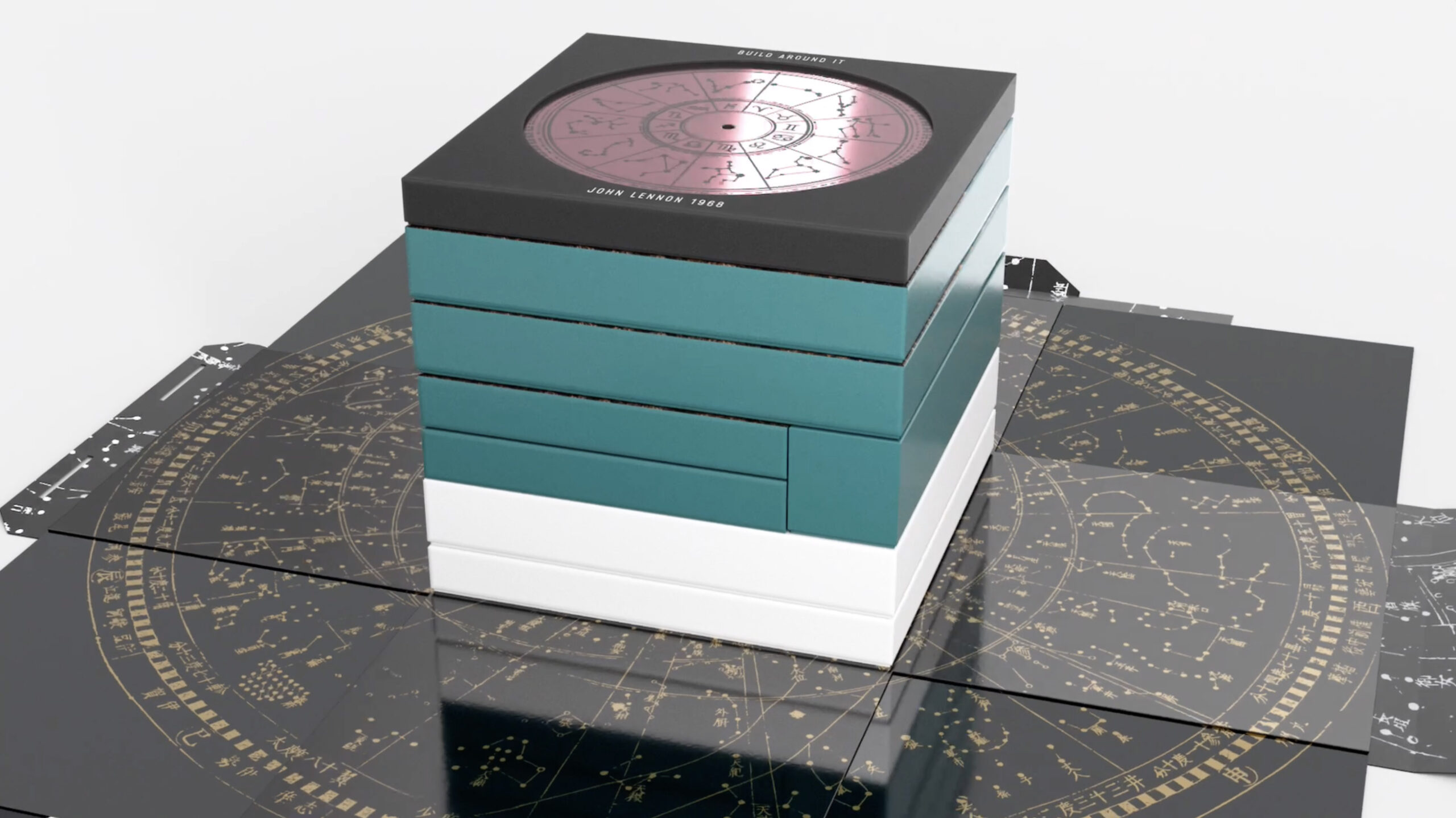
We examined the lead song ‘Mind Games’ for clues, and the song’s lyrics, meanings, and phrases were all used as inspirational touch-points – the games, search for the grail, some call it magic, love is the answer, chanting the mantra, karmic wheel, raising the spirit of peace and love – these phrases were all frequently referred to in the creation of the box set.

THE DECLARATION OF NUTOPIA
John & Yoko’s 1973 Declaration of Nutopia and their philosophical concepts about Nutopia itself were integrated into the Nutopian box, the Citizen of Nutopia ID card, and the Citizen of Nutopia website – a borderless map of the world, open to everyone.

MAGICAL THINKING
John & Yoko’s different forms of magical thinking (including Tarot, I-Ching, cheiromancy, chaldean numerology, astrology, astral projection, colour testing, telepathy, candle burning and affirmations) were all featured and explored in the books and some were used as the basis of puzzles hidden in the text or revealed only by use of the ultraviolet torch.


YOU ARE HERE – LYRICS
The lyrics of the song ‘You Are Here’ we felt were very important – metaphorically, geographically and philosophically, the meeting of East and West, as well as the meaning of humanity’s place in the Universe.
These were represented by the presence of the first Japanese starmaps and the puzzle maps of John Lennon’s Liverpool and Yoko Ono’s Tokyo.
GAMIFYING MIND GAMES
Sean was very keen that Mind Games was given an overall ‘gamifying’ concept – to include puzzles, games and a Fluxus-style sense of playful fun with the designs and journeys that were contained within.
EASTER EGGS
We gamified the CDs and raysRays to contain hidden tracks, videos and menus. This was something that hadn’t been done to CDs for a long time, and required Abbey Road to plunder their archives for vintage computers and specialised vintage software and programming to do so.

HIDDEN MESSAGES & CODES
We uniquely used Ultraviolet ink to hide designs, messages and codes all through the various contents of the box set and books, visible only with the included torch.

HIGHEST QUALITY STOCKS – NO STONE LEFT UNTURNED
We insisted that all the materials used to create the contents of the box must be of the highest quality – for example 180g audiophile vinyl LPs, best-quality sturdy 350gsm cardboard LP sleeves, best quality paper stocks throughout, best quality and completely authentic artwork reproductions with identically matching materials like the perspex box, round canvas, brass plaque, ink stamper, flag stock and badges etc.

LONGEVITY
The overarching aim was to provide fans with a valuable and rewarding deep-dive, long-lasting experience, not just with the art, music and the box set itself, but also with an entire Mind Games fan experience as a whole.

LOVE IS THE ANSWER
The complete Box Set and the campaign around it became a love letter to and for John & Yoko.


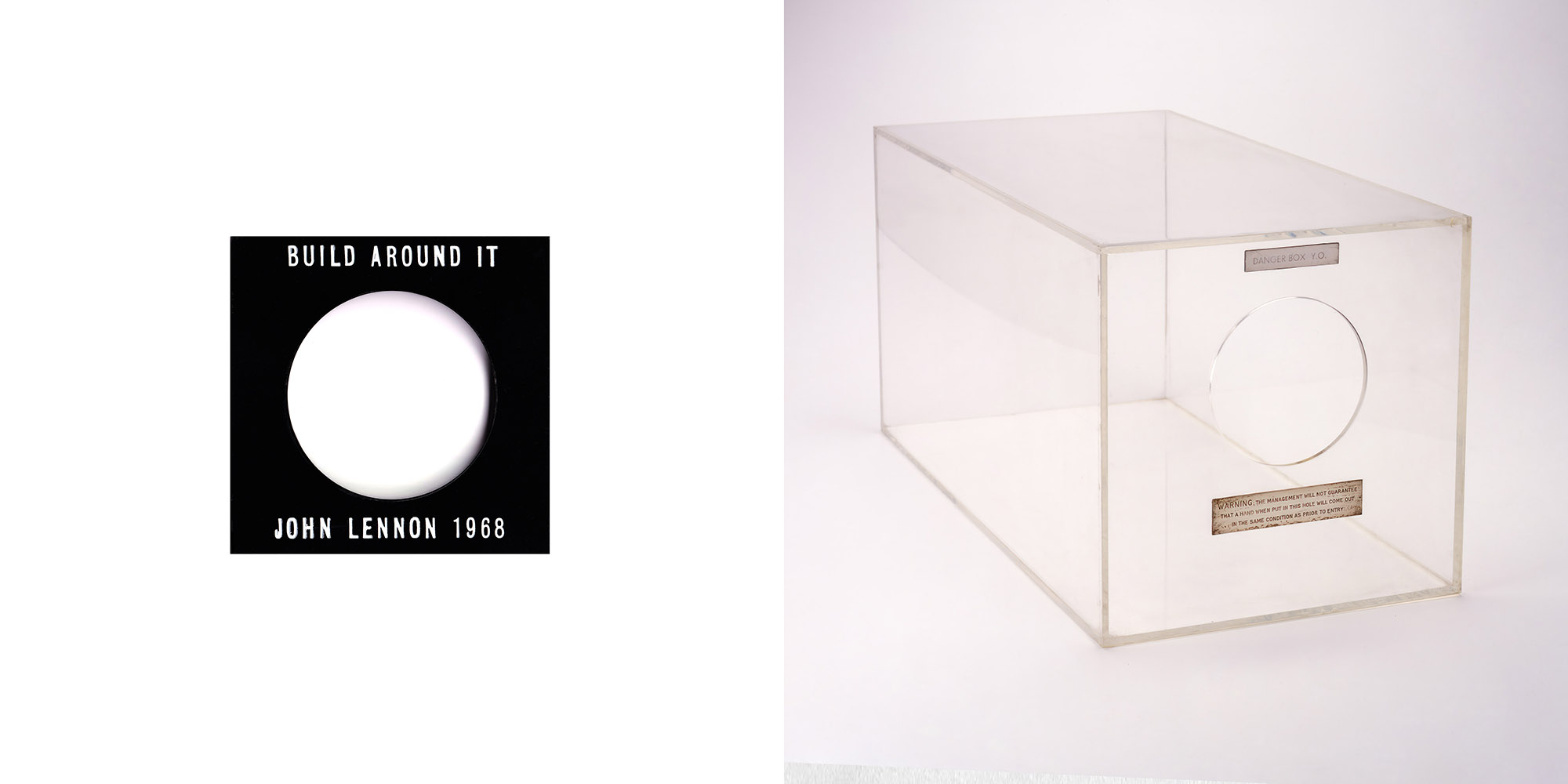
Danger Box, 1968 by Yoko Ono, This Is Not Here exhibition at Everson Museum of Art, 9 October 1971.
ENCLOSURE: DANGER BOX
Yoko Ono’s artwork DANGER BOX, 1968, a transparent acrylic box with a hole on one side, acts as the enclosure for the entire Super Deluxe Ultimate Collection. Yoko’s engraved inscription on her original artwork playfully reads “The management will not guarantee that a hand when put in this hole will come out in the same condition as prior to entry.”
To this end, this version of the artwork was subtly redesigned so that the participant has to put their hand in the hole and pull up – in order to release the contents of the box from its enclosure – creating the beginning of a similarly transformational journey. As the perspex sides of the box pull up, the bottom plate magically unlatches and stays in position under the weight of the contents. As the box rises up and is finally free, the internal sides – mirror-boarded reflective versions of the album artwork – gently fall with a satisfying gentle ‘whoomph’ to reveal a stack of nine teal and white coloured boxes within, now surrounded by Tenmon Bun’ya no zu, an ancient Anglo-Japanese map of the heavens, printed on the verso of the four fallen sides.

From this moment of surprise and delight, the customer begins the box-by-box opening experience, starting with the hologram vinyl box at the top of the stack.

BOX 1: BUILD AROUND IT / HOLOGRAM EP
The rainbow from the cover art materialises first in the refractions of the holographic disc in the top box of the stack. The customised etching of the first 12” 180g black vinyl EP disc features an iridescent, colour-shifting holographic rainbow effect, over an etched ‘Karmic Wheel’ design – creating a visually stunning and eye-catching display when viewed under a torch or spotlights.
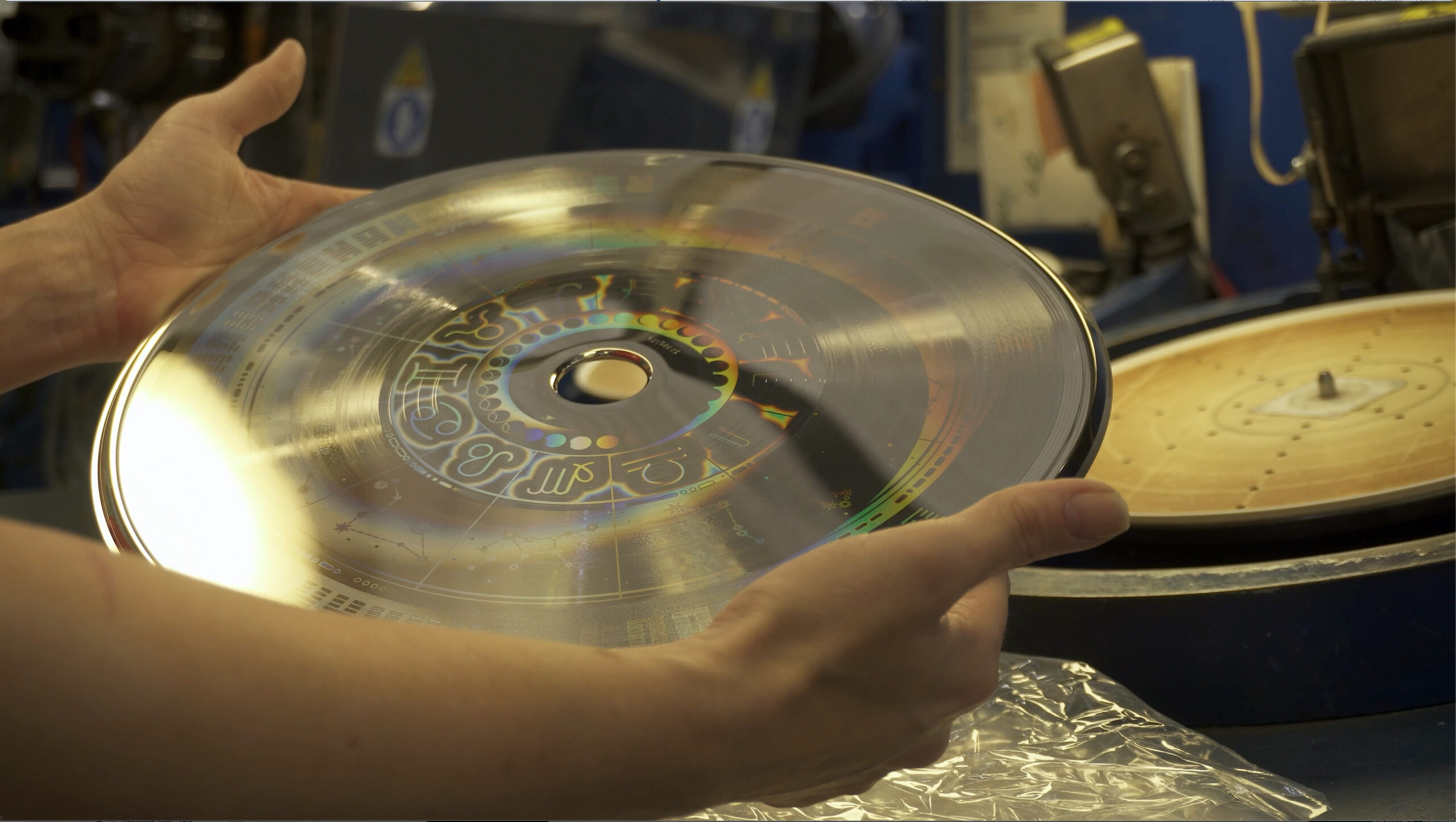

The music on this limited edition holographic Mind Games EP is on Side A, ‘Mind Games’ plus ‘Mellotron Magic’ and on Side B, ‘Meat City (single version)’ and John’s ‘Weird Slide Guitar’.
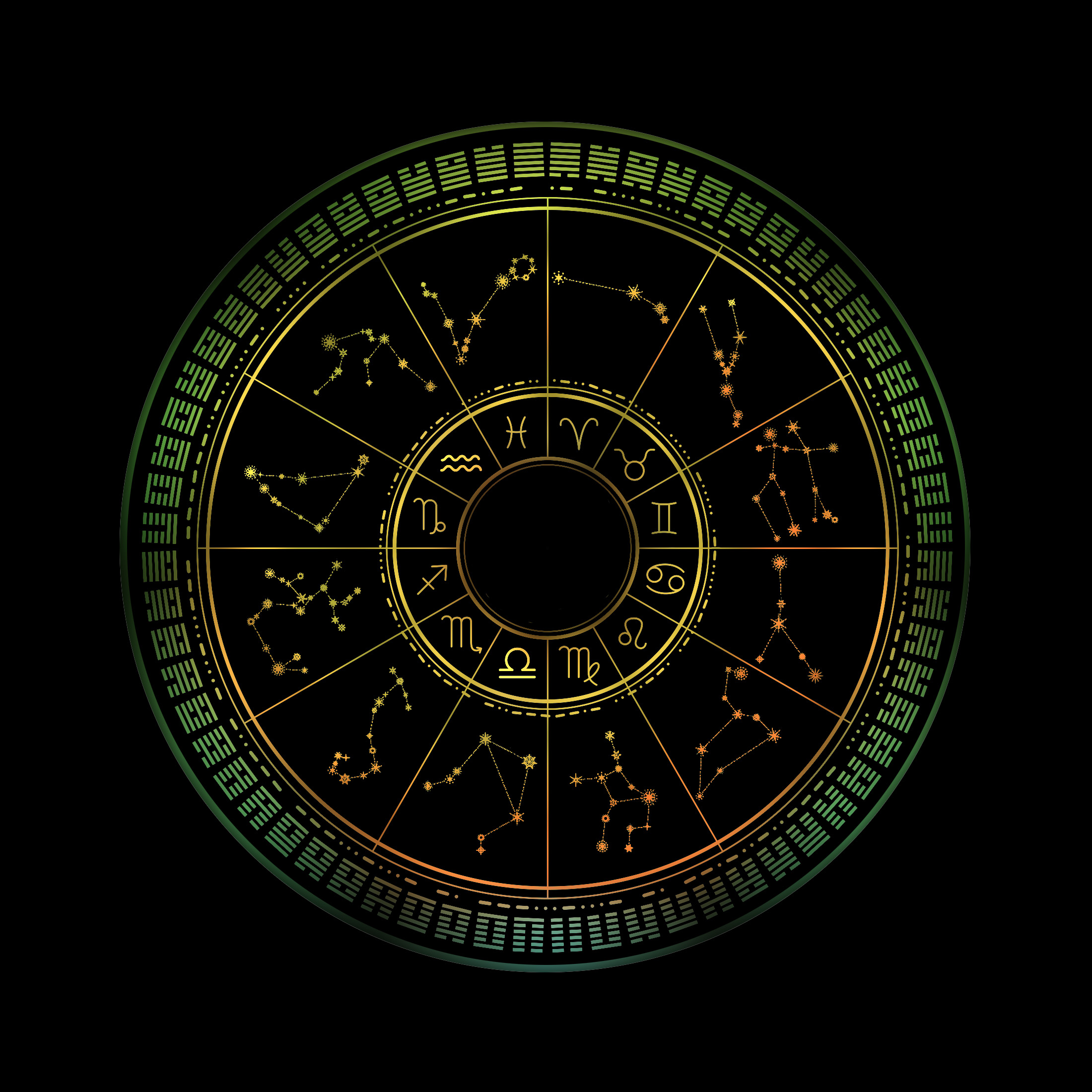
THE KARMIC WHEEL
The Karmic Wheel design contains 28 phases of the moon, 12 signs of the zodiac and their constellations (with Libra and Aquarius, John & Yoko’s signs highlighted), 64 I-Ching hexagrams and two secret circular messages hidden in morse code.

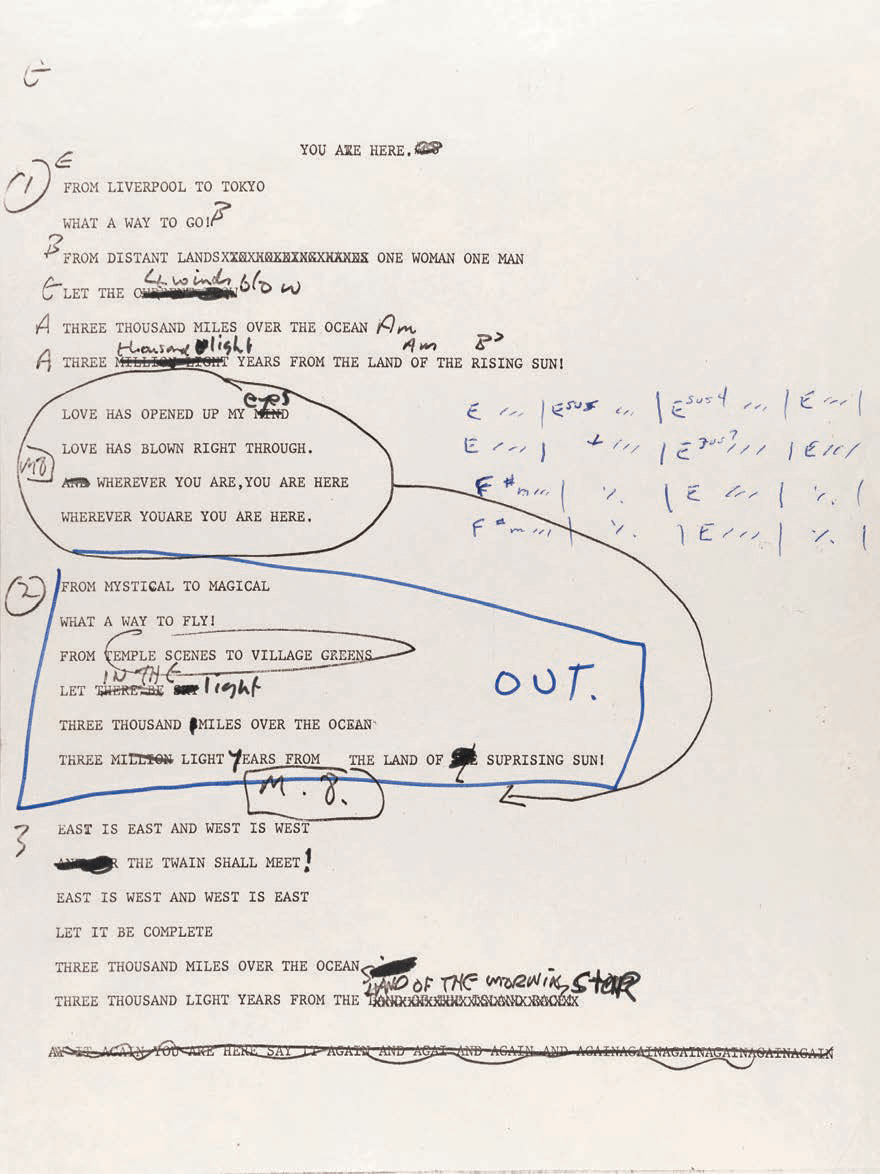
JOHN LENNON BUILD AROUND IT 1968
The disc is housed in the top box, in a bespoke blackboard fitment, under a lid with a circular transparent PET window. The Box is embossed with JOHN LENNON BUILD AROUND IT 1968 – a replica of his artwork that in one multiple edition was also enclosed by Yoko’s DANGER BOX 1968.

The concept behind this artwork being that when it came to the empty rhetoric of revolution in the streets, as far as John was concerned, the increasingly violent left-wing could count him out, his response to them smashing it was, “I’ll build around it” preferring the path of positive, progressive pacifism.

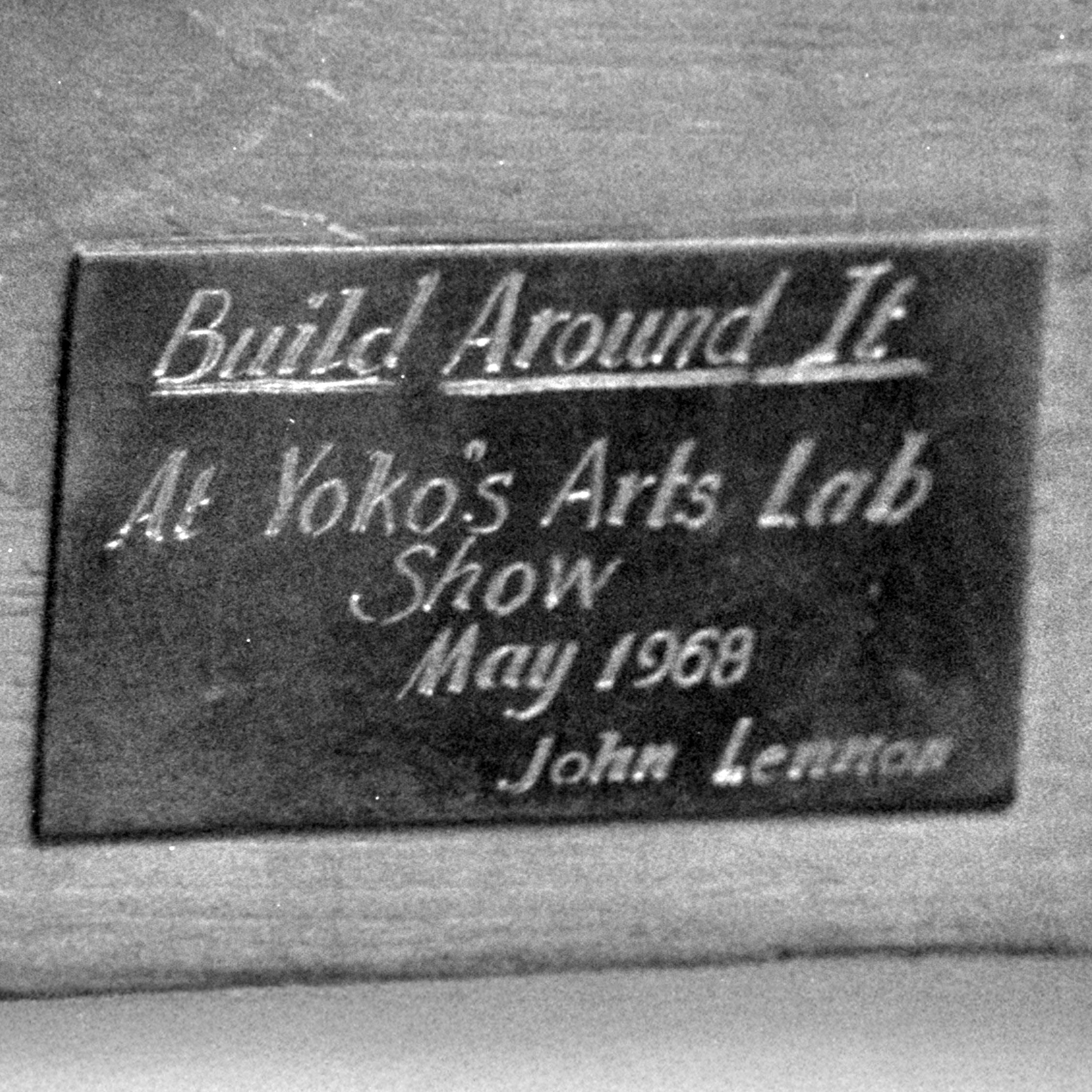

Build Around It, 1968 by John Lennon seen at Arts Lab, London, May 1968 (left), Tittenhurst Park, June 1971 (middle), Everson Museum of Art, Syracuse, 9 Oct 1971 (right).
Yoko: ‘Build Around It’ – this is by John. I have learned a lot from John because I was doing all these instruction pieces, to make people get involved. And then he suddenly one day said, ‘Why don’t you use this as a piece and call it “Build Around It” and it’s also an instruction piece to let people do something to it. But the idea is that most art, people and artists are interested in destructive things to destroy the establishment, etc. and we never thought of something like just keeping this ‘as-is’, and building around it. The concept was so beautiful.
Yoko Ono, Frost on Saturday TV Show, 24 August 1968.

BOX 2: THE LPs BOX
The second box contains four printed cards that, when placed around the folded-down cross shape, complete Harumi Shibukawa’s 1677 Japanese map of the heavens, Tenmon Bun’ya no zu, the first star chart adapted for use in Japan and precursor to the Jōkyō Calendar – the direct result of an English sailor called John Saris gifting a large silver-gilt telescope from King James I to Japanese nobleman, Shogun Tokugawa Ieyasu, allowing Shibukawa Harumi, the first official astronomer of the Edo period, to accurately, for the first time in Japan, map the heavens, calculate the rotation of the earth, and therefore more accurately calculate the divisions of time itself, resulting in the Jōkyō-reki – the JOKYO calendar – the first Japanese lunisolar calendar that would recognise the solar year as 365.2417 days.
THE SETS OF MIXES
Underneath that, in four double-gatefold LP sleeves are 7 x 180g 12” discs featuring all six stereo sets of audio mixes created for the box set – Ultimate, Elements, Elemental, Evolution, Raw Studio and Out-takes.
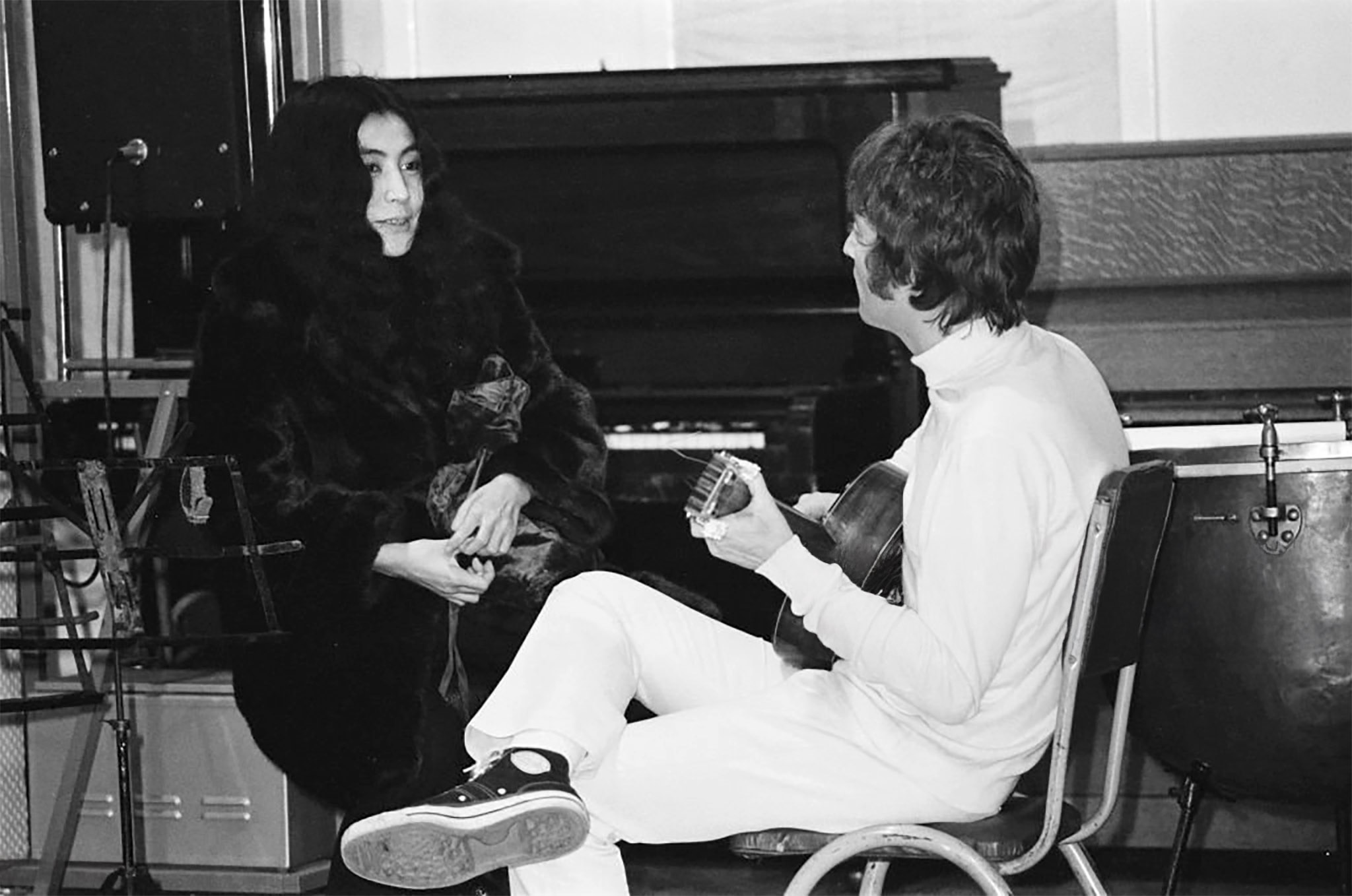
Yoko: Around the time that I met John, I went to a palmist – John would probably laugh at this – and he said, ‘You’re like a very fast wind that goes speeding around the world.’ And I had a line that signified astral projection. The only thing I didn’t have was a root. But, the palmist said, ‘You’ve met a person who’s fixed like a mountain, and if you get connected with that mountain you might get materialized.’ And John is like a frail wind, too, so he understands all these aspects.
The original album cover artworks, front and back, were created by John, and the constituent elements of the photocollages provided an initial inspiration for many of the elements of the box.
As their roles have reversed, John is now caught up in the wind and Yoko is fixed like a mountain. Around them swirls a magical love story between John & Yoko, the sun and the moon, the clouds and the sky, the earth and the heavens, and England and Japan.
LP GATEFOLD SLEEVE DESIGN
For the artwork for the gatefolds, we took the concept behind John’s photocollages further, playing with his sizes and positions of the sun, moon, rainbow and mountain.


LP cover - front and back - Ultimate Mixes / Out-takes.
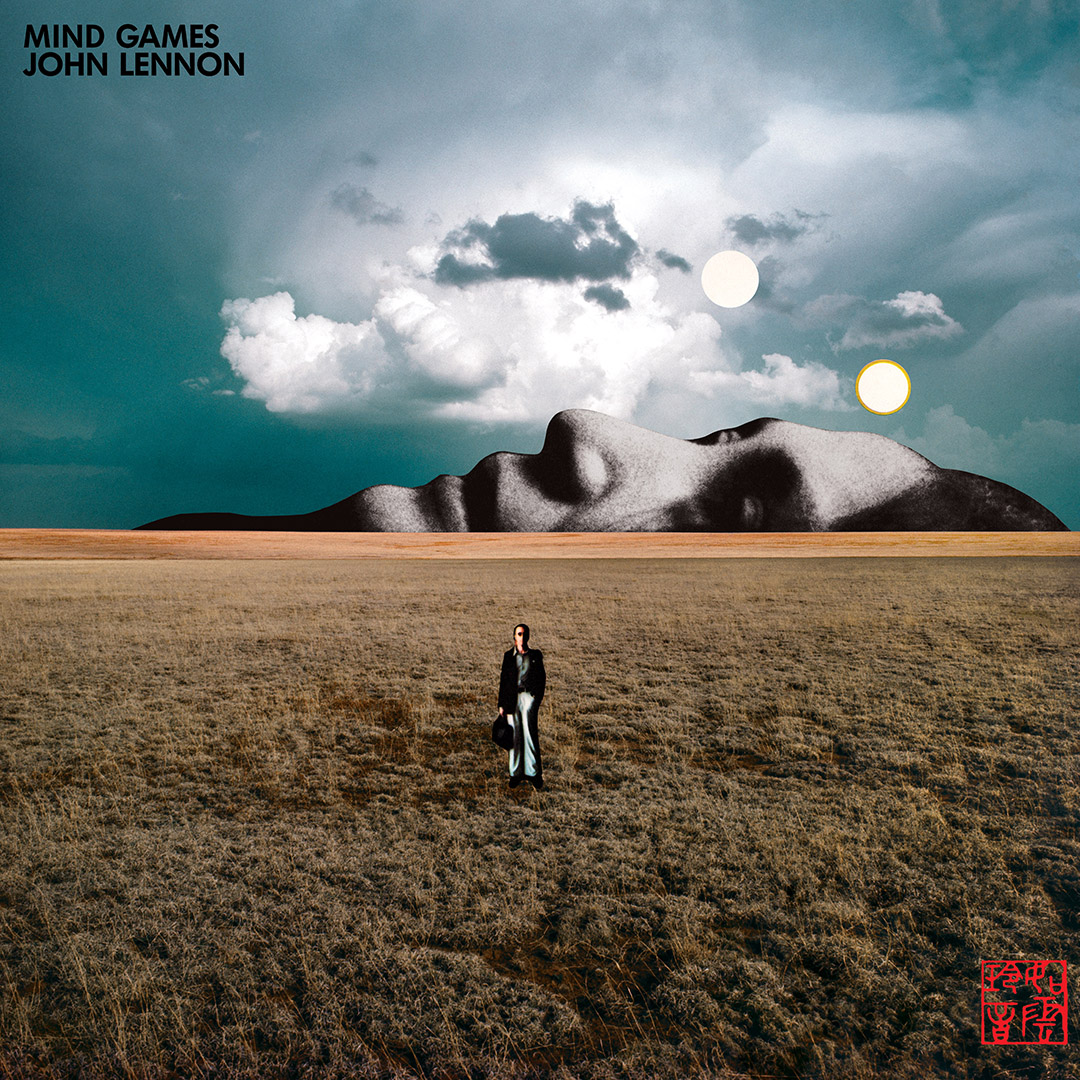
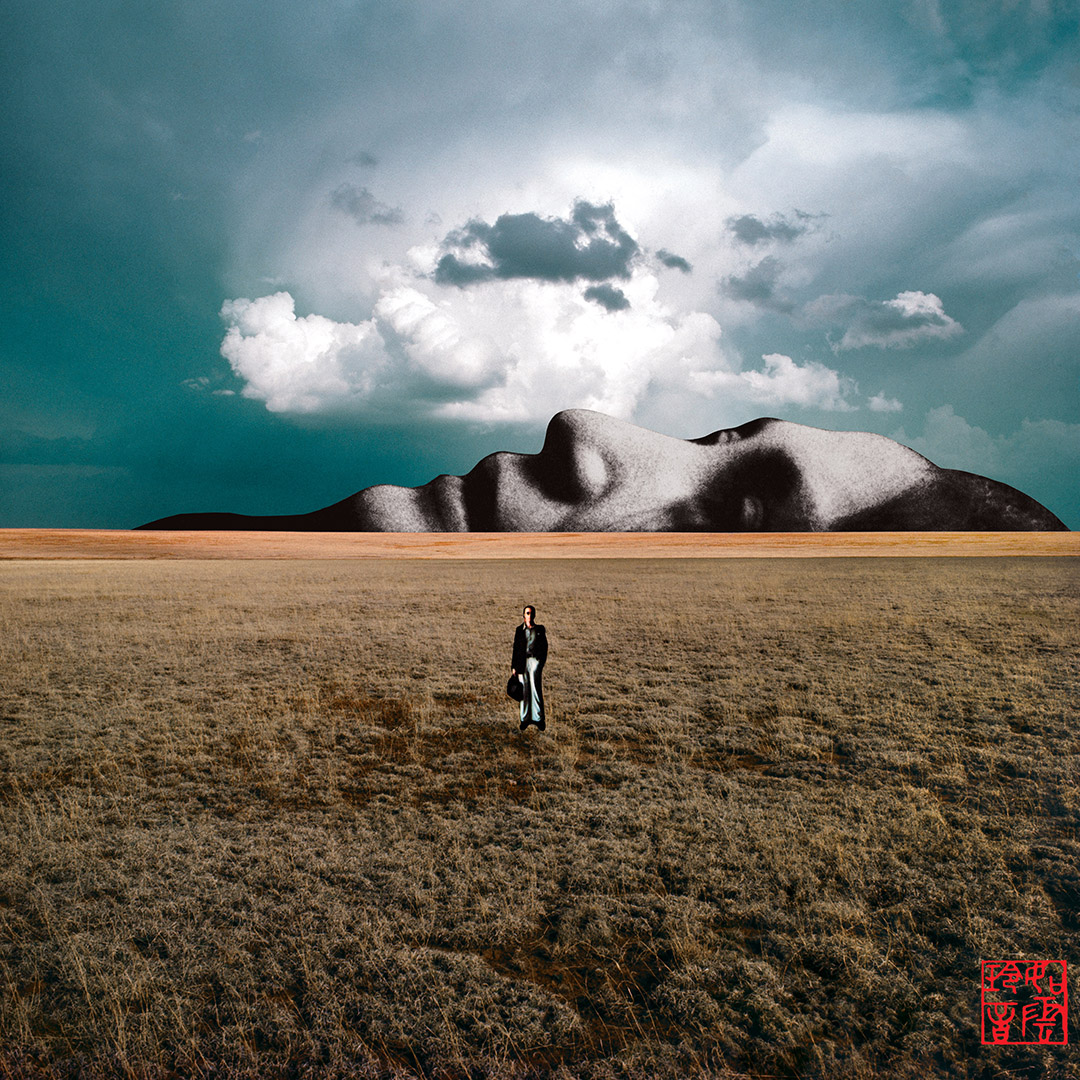
LP cover - front and back - Elemental Mixes / Elements Mixes.


LP cover - front and back - Evolution Mixes.
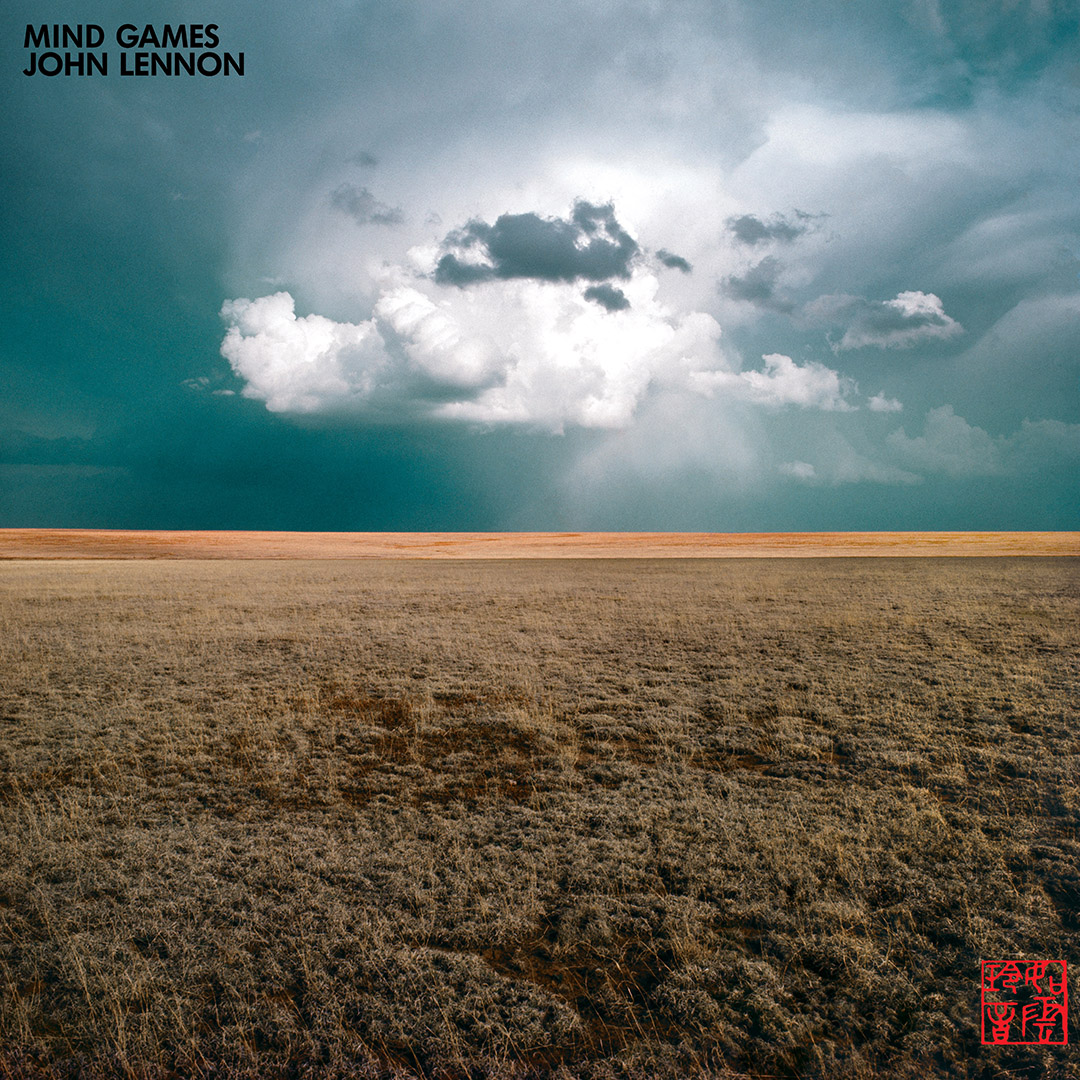
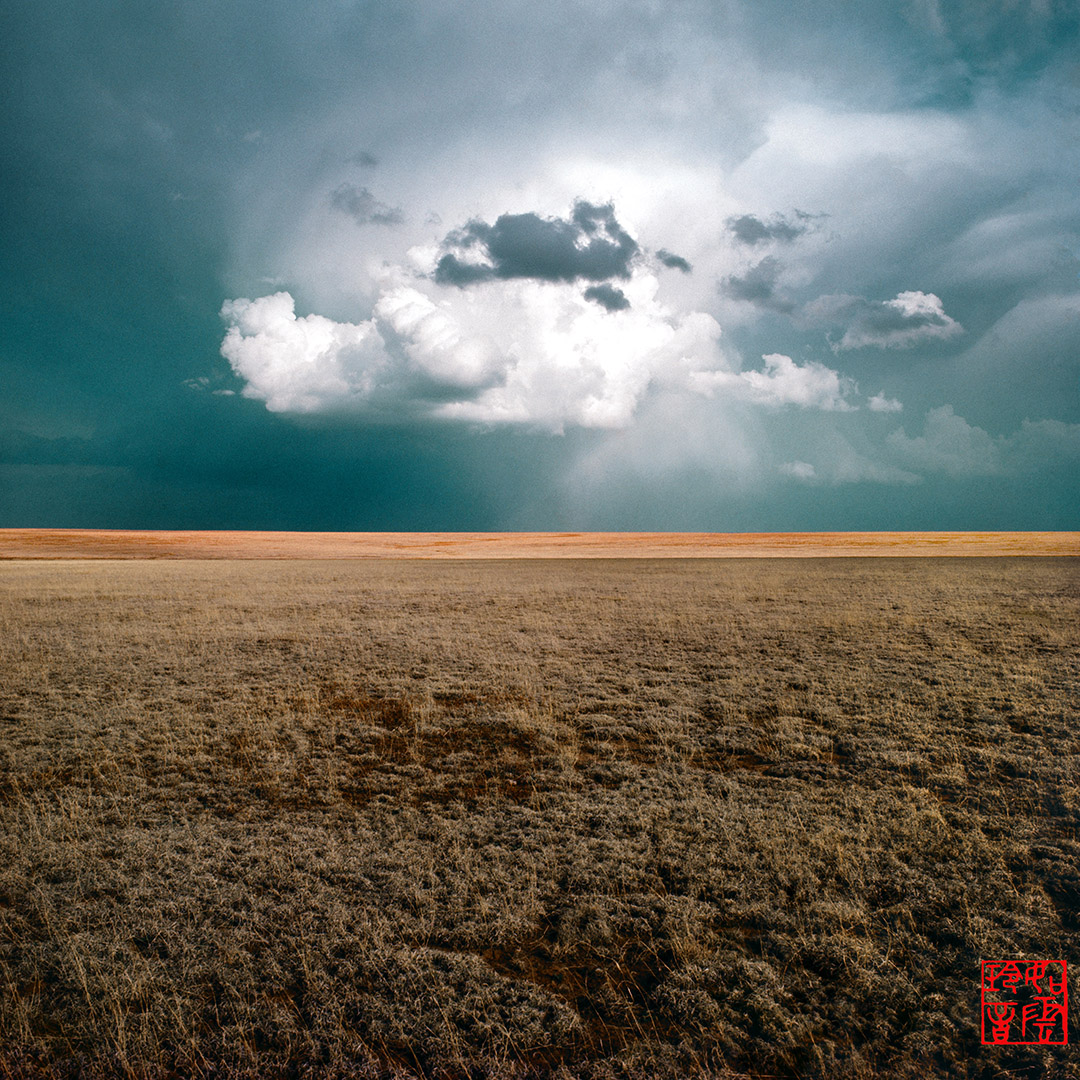
LP cover - front and back - Raw Studio Mixes.
LP INNER GATEFOLD DESIGN
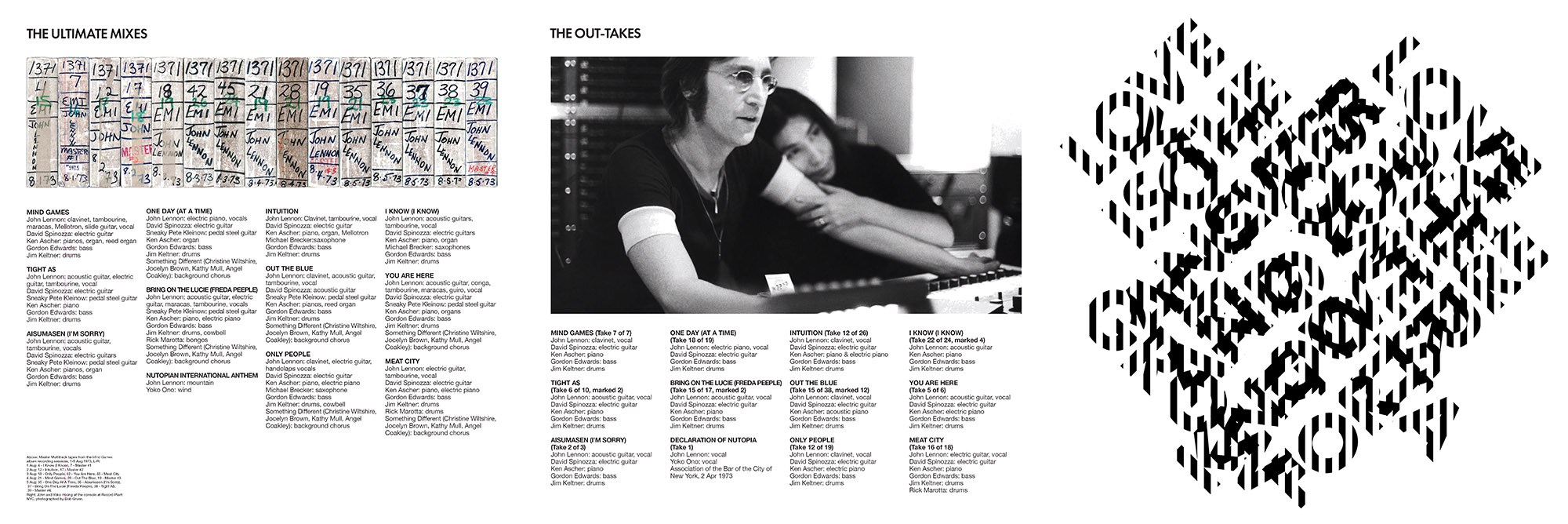
On the inside of each gatefold is detailed information about the mixes the listener is currently enjoying.


LP INNER SLEEVE DESIGN
For the inner sleeves for the 6 different sets of mixes, the designs are:


LP inner sleeve - Ultimate Mixes - replica of the 1973 original inner sleeves.

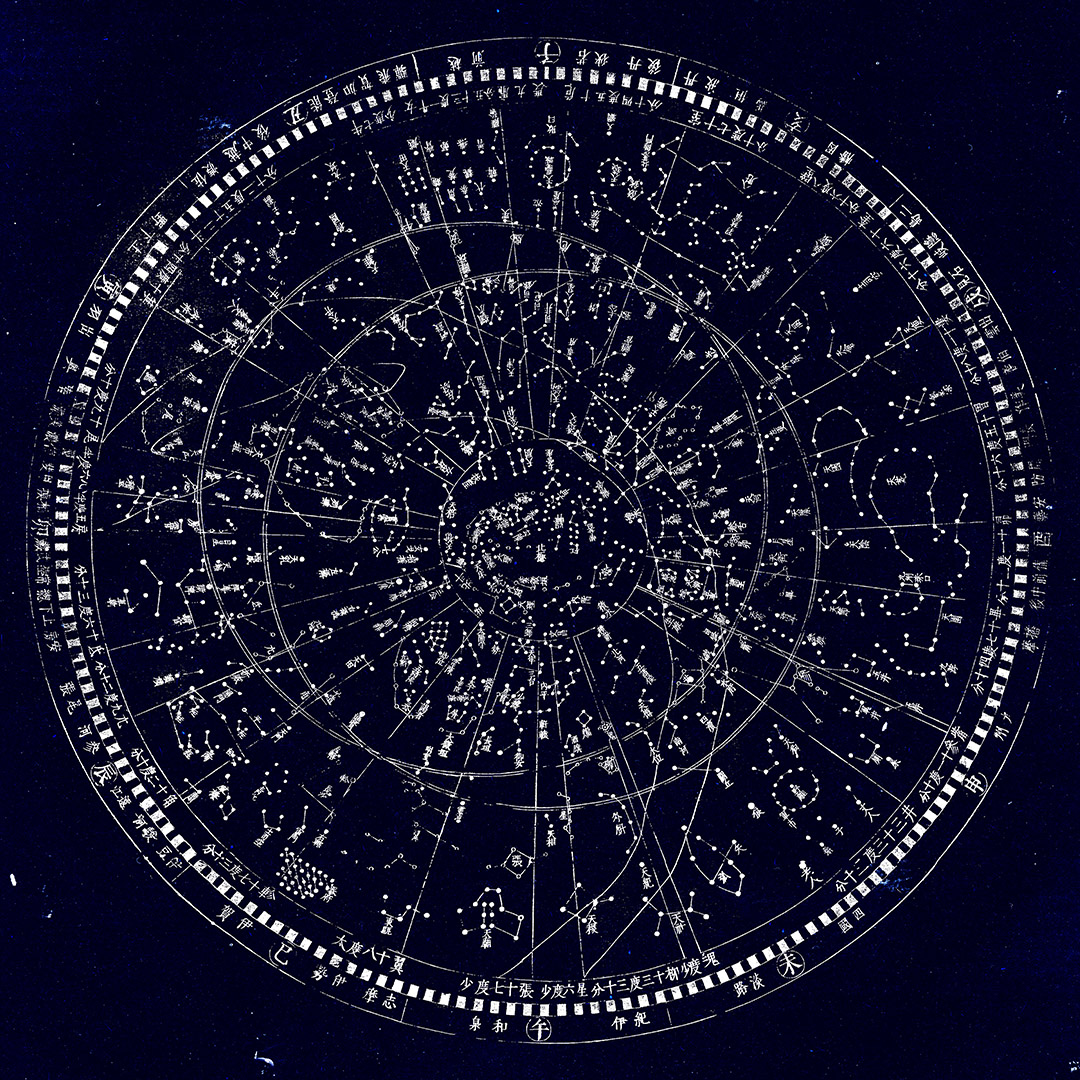
LP inner sleeve - Elemental Mixes: a blueprint of John’s notes on the Mind Games album production mixes and a blueprint of Harumi Shibukawa’s Tenmon Bun'ya no zu map of the heavens. These are also printed in ultraviolet ink so they illuminate under ultraviolet light.


LP inner sleeve - Elements Mixes: John’s left and right palm prints - created for a palm reading in Los Angeles. These are also printed in ultraviolet ink so they illuminate under ultraviolet light.


LP inner sleeve - Evolution Mixes disc 1: Stereograms of Amaterasu (the Japanese sun goddess) revealing the word SUN and on the verso, Tsukuyomi (the Japanese moon god) revealing the word MOON.


Printed over the top of the Evolution Mixes sleeve and hidden in ultraviolet ink are, on the front, a 2,000-word backstory in coiled text about Amaterasu, the Sun, the Golden Telescope and the Jokyo Calendar, and on the verso, another about Tsukuyomi, the Moon, the mythical Calderstones (in Liverpool) and astronomical prediction.
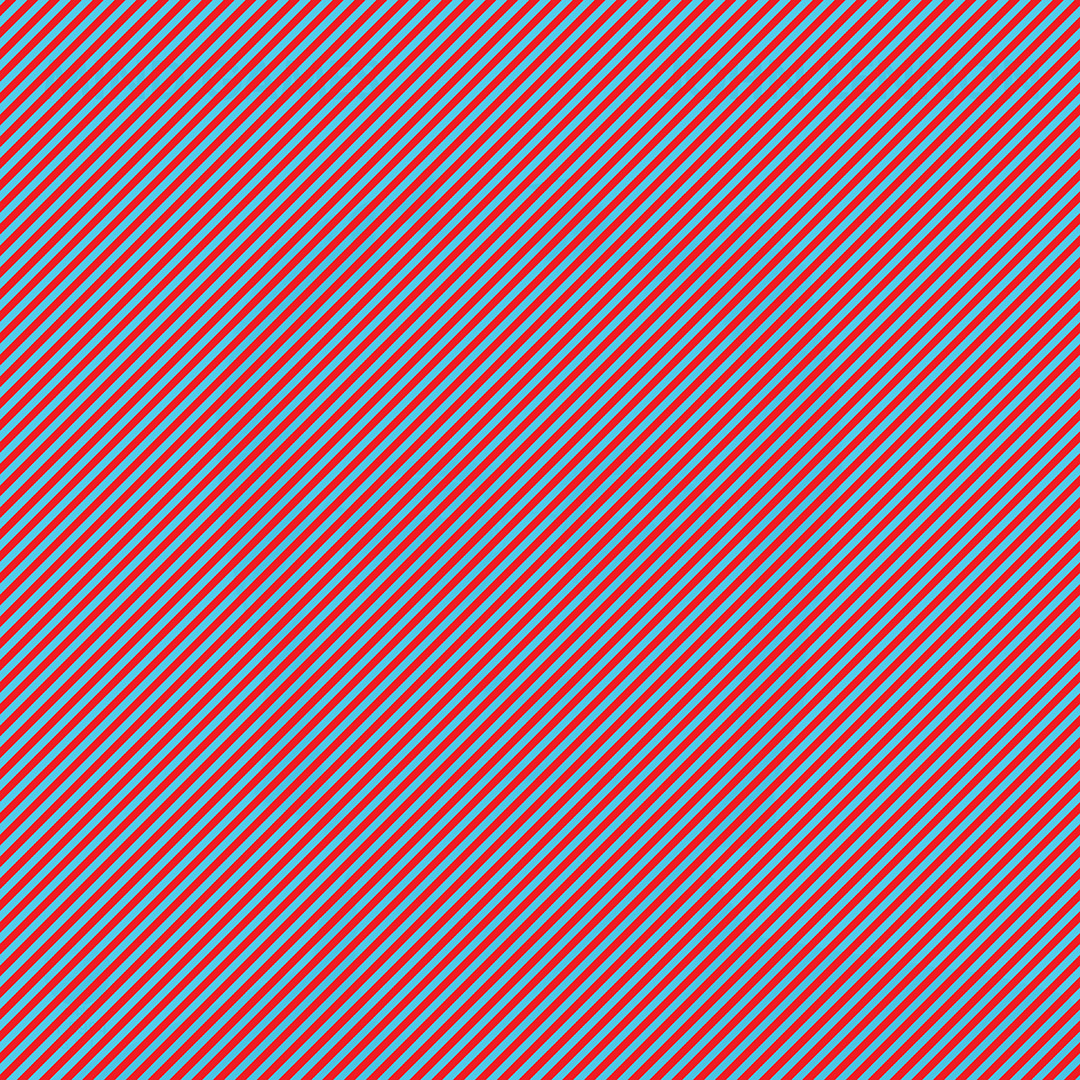

LP inner sleeve - Evolution Mixes disc 2: a blended parallel line illusion pattern using similar portraits of John and Yoko.
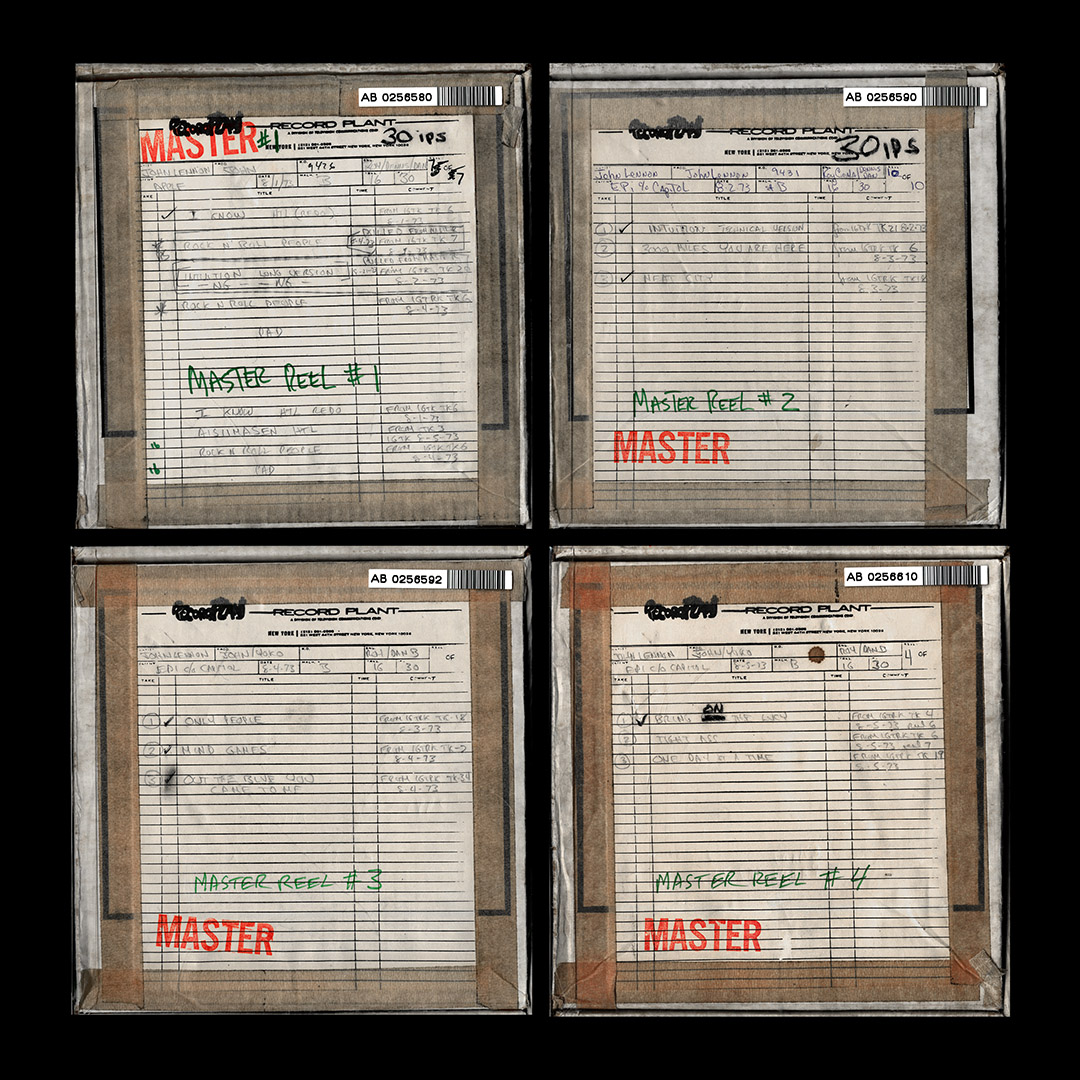

LP inner sleeve - Raw Studio Mixes: the master tape boxes and track sheets.


LP inner sleeve - Out-takes: John’s face constructed from the complete lyrics of every song the album. These are also printed in ultraviolet ink so they illuminate under ultraviolet light.
LP VINYL LABELS DESIGN
The labels for the Ultimate Mixes was an updated facsimile of the original design. And the other labels were either hypnotic rotating monochrome optical illusions (depth spinning, Fechner colour effect, Benhams disks etc), or colour blindness tests.


LP labels: Ultimate Mixes - similar to original 1973 LP labels.
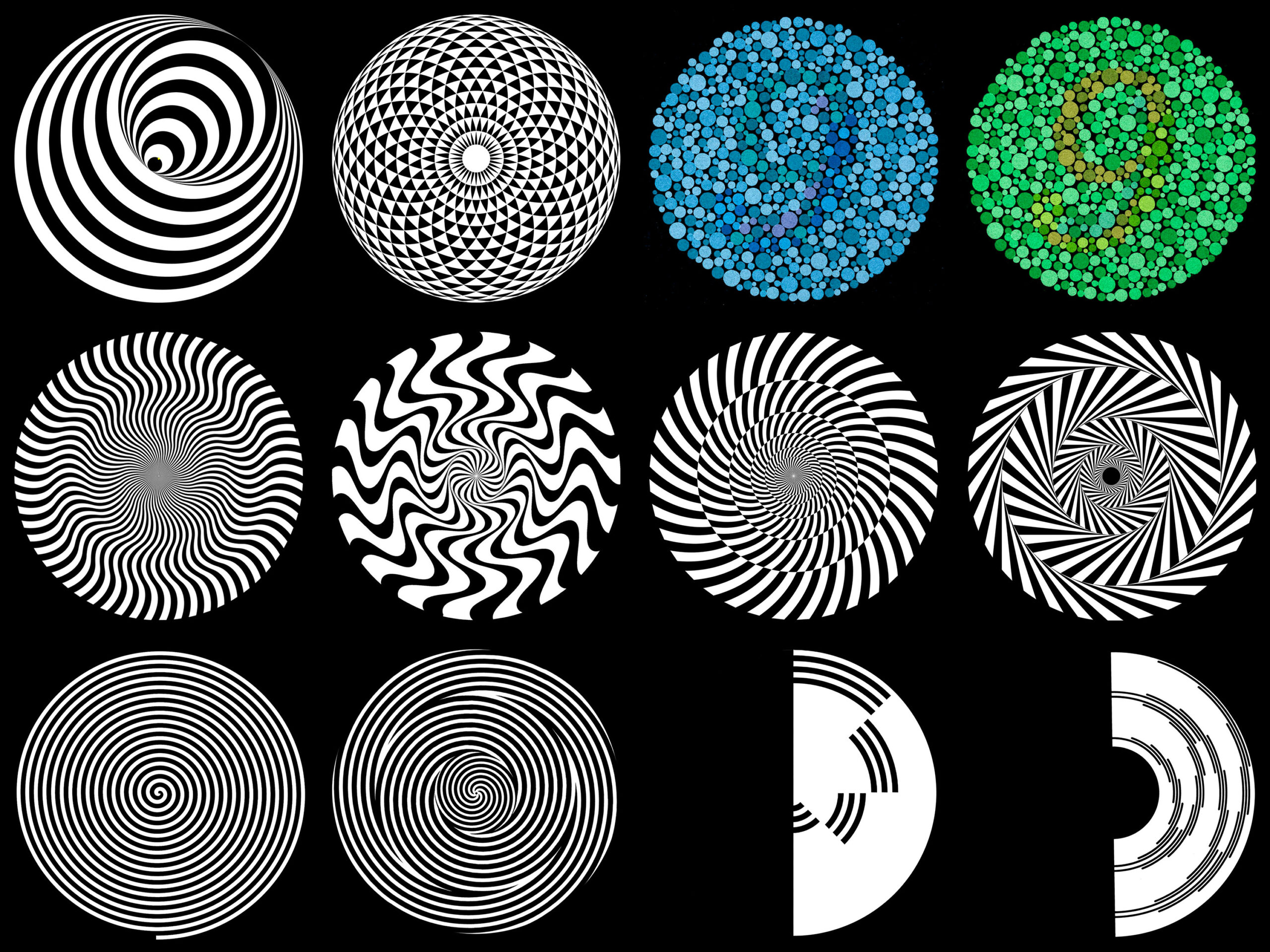
LP BOOKLET DESIGN
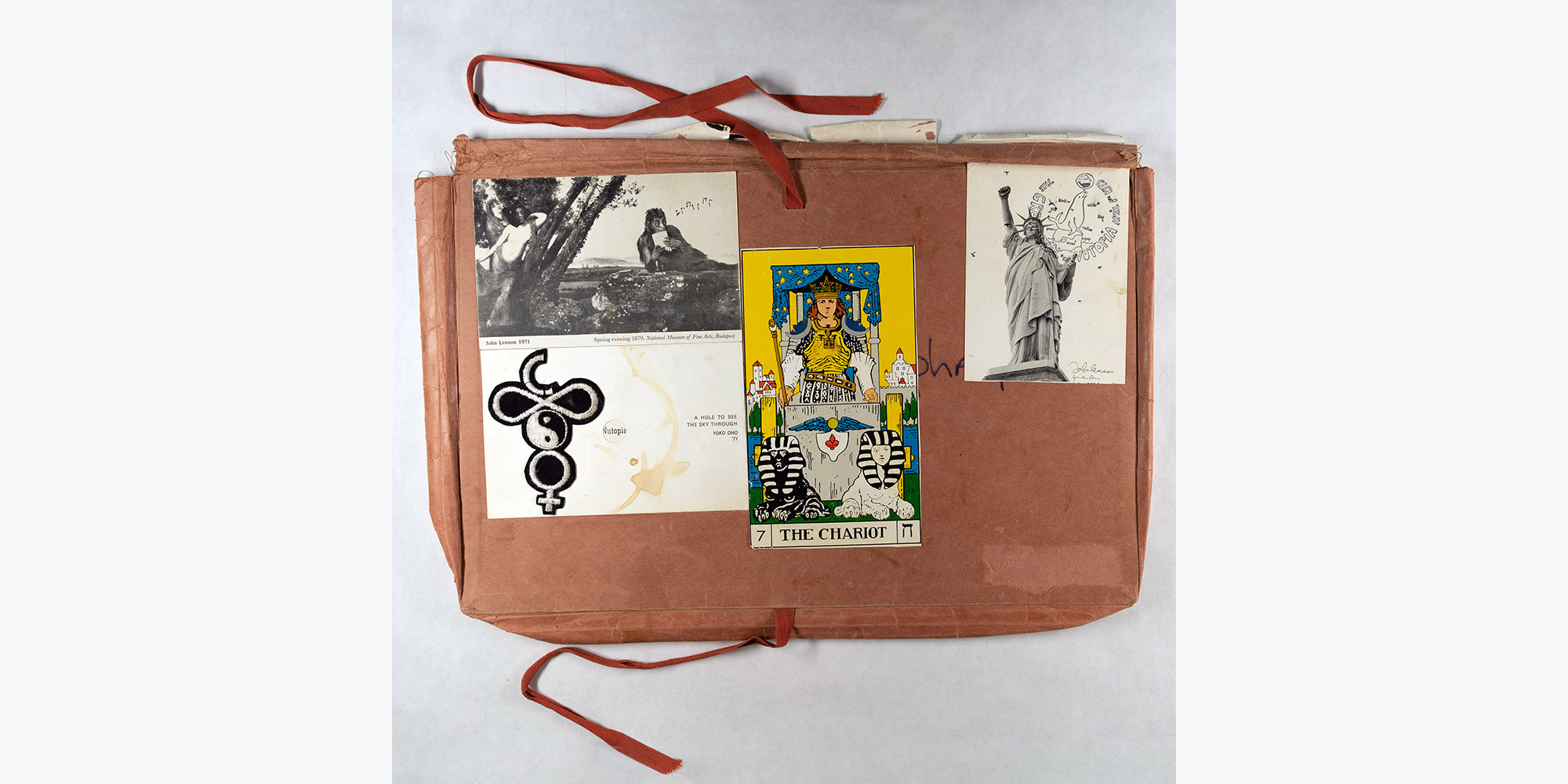
The LP booklet features illustrations of a carboard folder John decorated and embellished in 1973, in which he kept his bedside diaries, a never-seen-before poem in his handwriting, a inkstamp artwork by John, photos of the artworks Build Around it, 1968 by John Lennon and Danger Box, 1966 by Yoko Ono, with further hidden messages in ultraviolet ink.


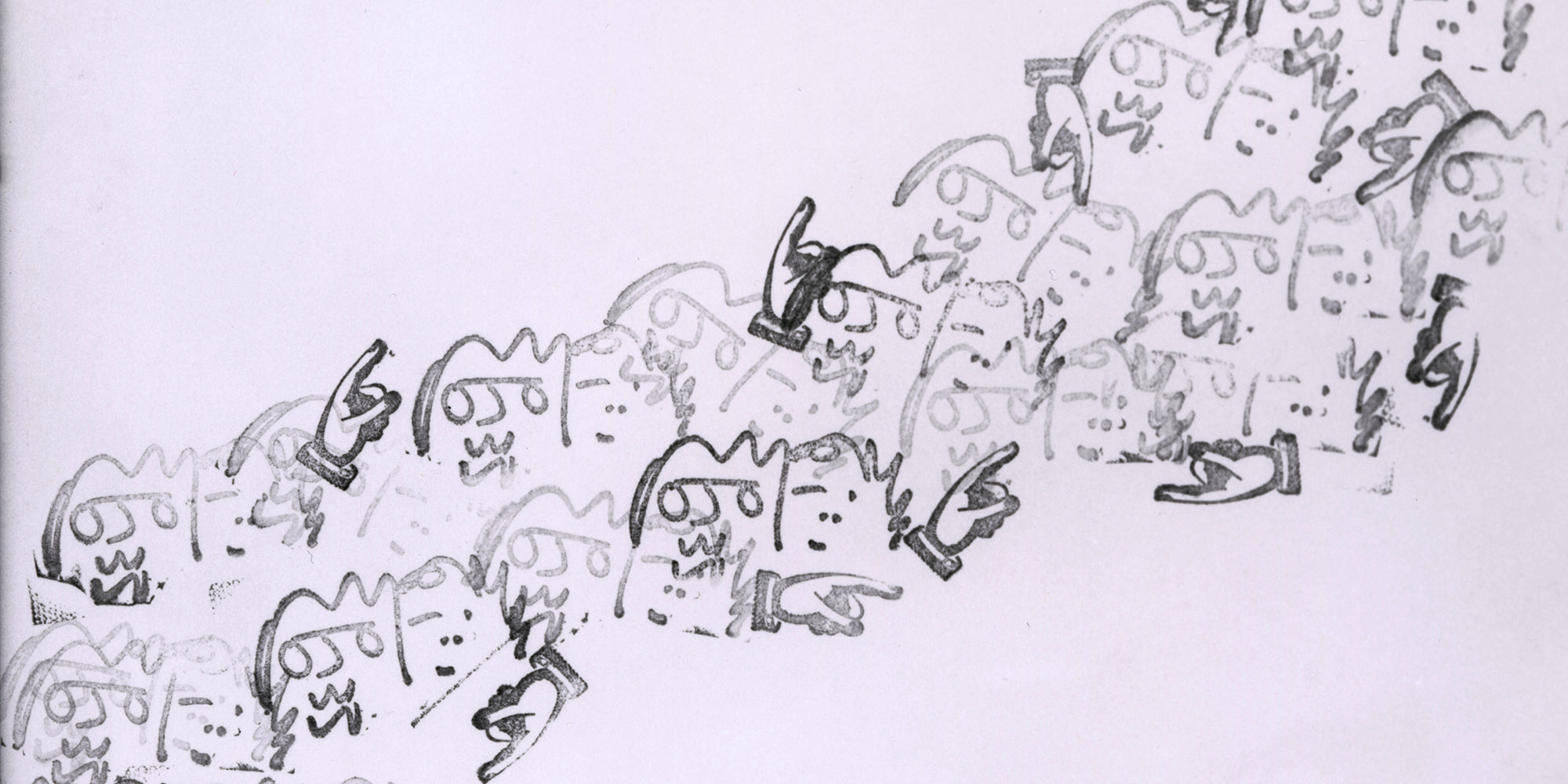
POSTCARDS AND POSTERS


Postcards from the LP Box, based on 1973 advertisements from the album.


BOX 3: THE MAGIC BOX
THE MAPS: JOHN LENNON’S LIVERPOOL & YOKO ONO’S TOKYO
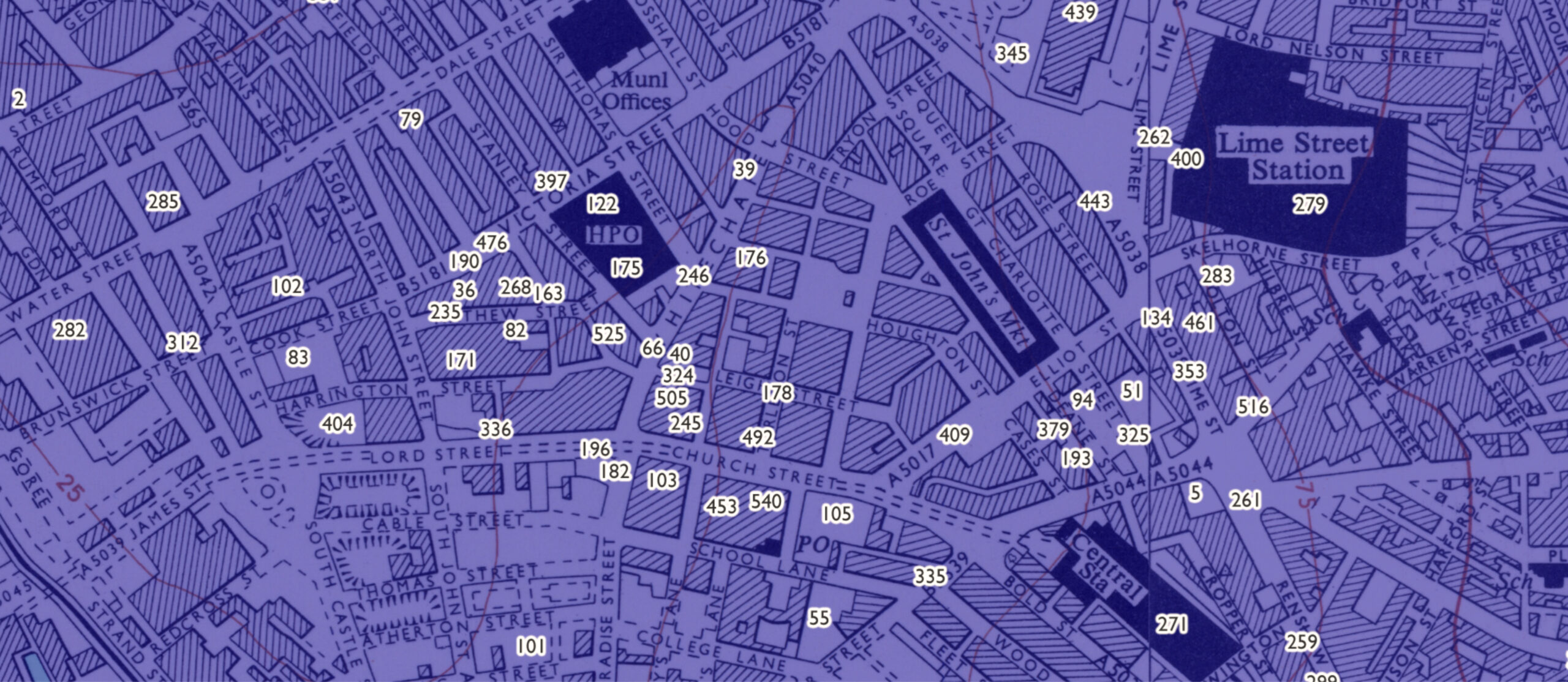
The first items to unpack are two wallets containing concertina-folded map artworks designed by cartographic fine artist Ed Fairburn: John Lennon’s Liverpool and Yoko Ono’s Tokyo.
These folded 46-inch square gamified Ordnance-style survey map artworks contain over 700 individually numbered locations, highlighted in ultra-violet ink, with accompanying booklets that detail all the historical stories behind them.
The experience of exploring the maps and reading the accompanying texts connects the reader with a deeper understanding of John & Yoko’s childhoods and the people, places and events that informed and transformed their lives.


John Lennon's Liverpool and Yoko Ono's Tokyo maps.

OPTICAL ILLUSIONS & ZOETROPES
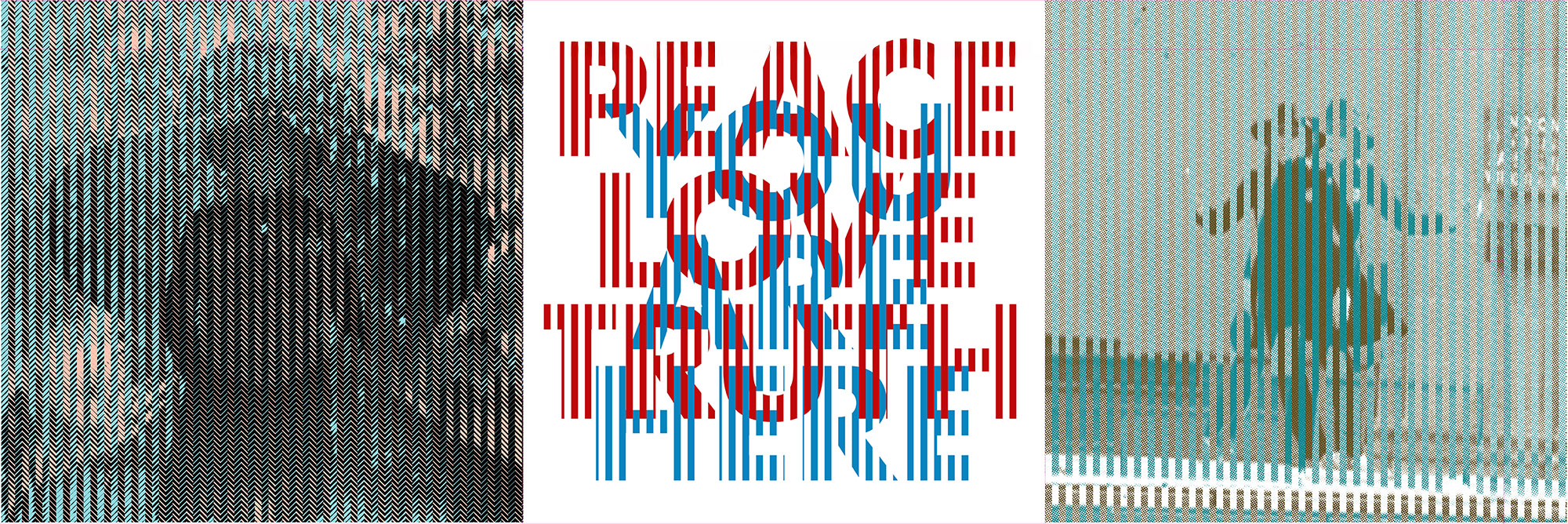
Next is a double LP set designed by Drew Tetz. On pulling the mirror-board gatefold out of its rigid vinyl enclosure, a magical barrier grid illusion makes the design on the back of the gatefold continually change from John to Yoko and back, using the barrier grid printed on the enclosure.

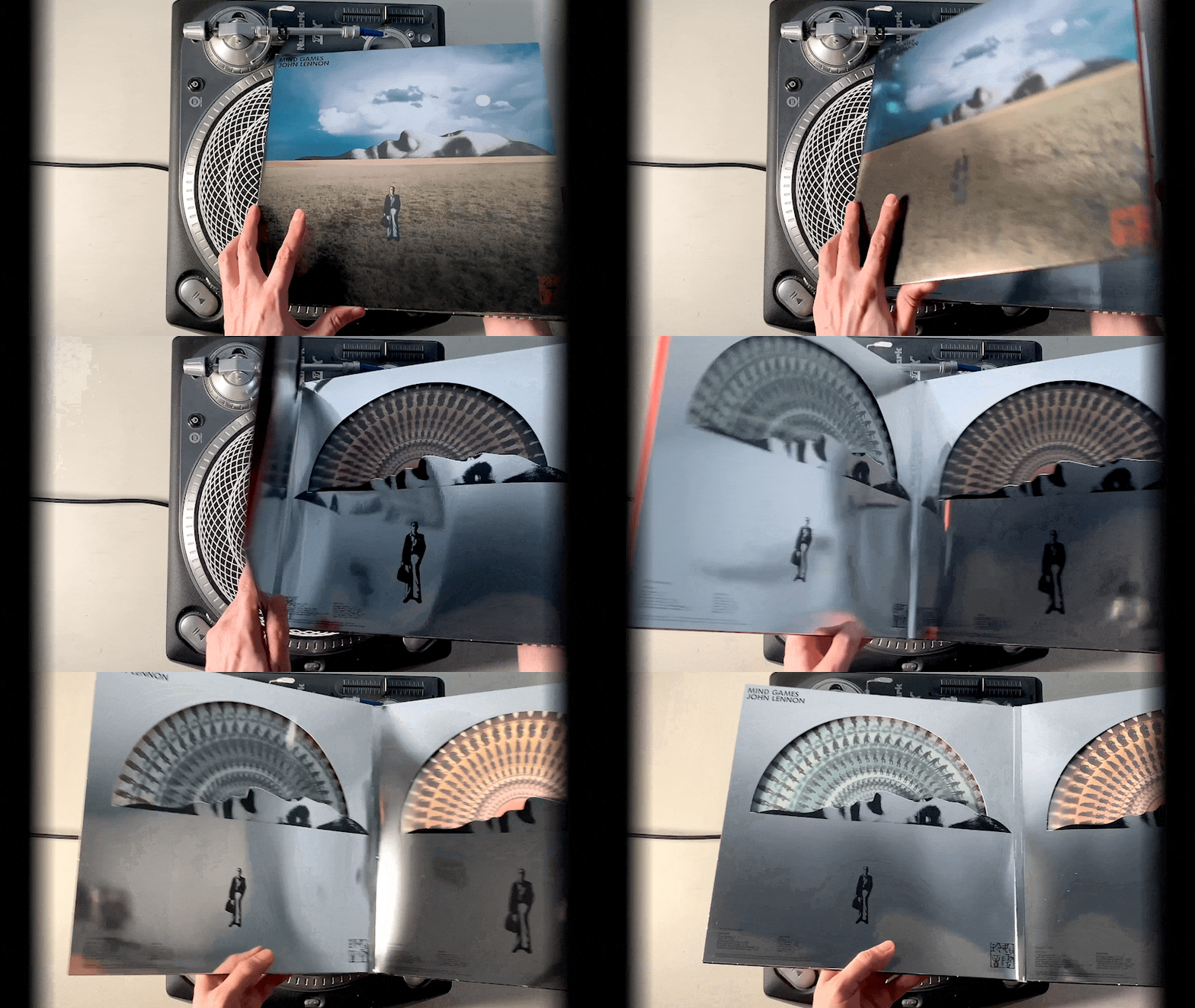
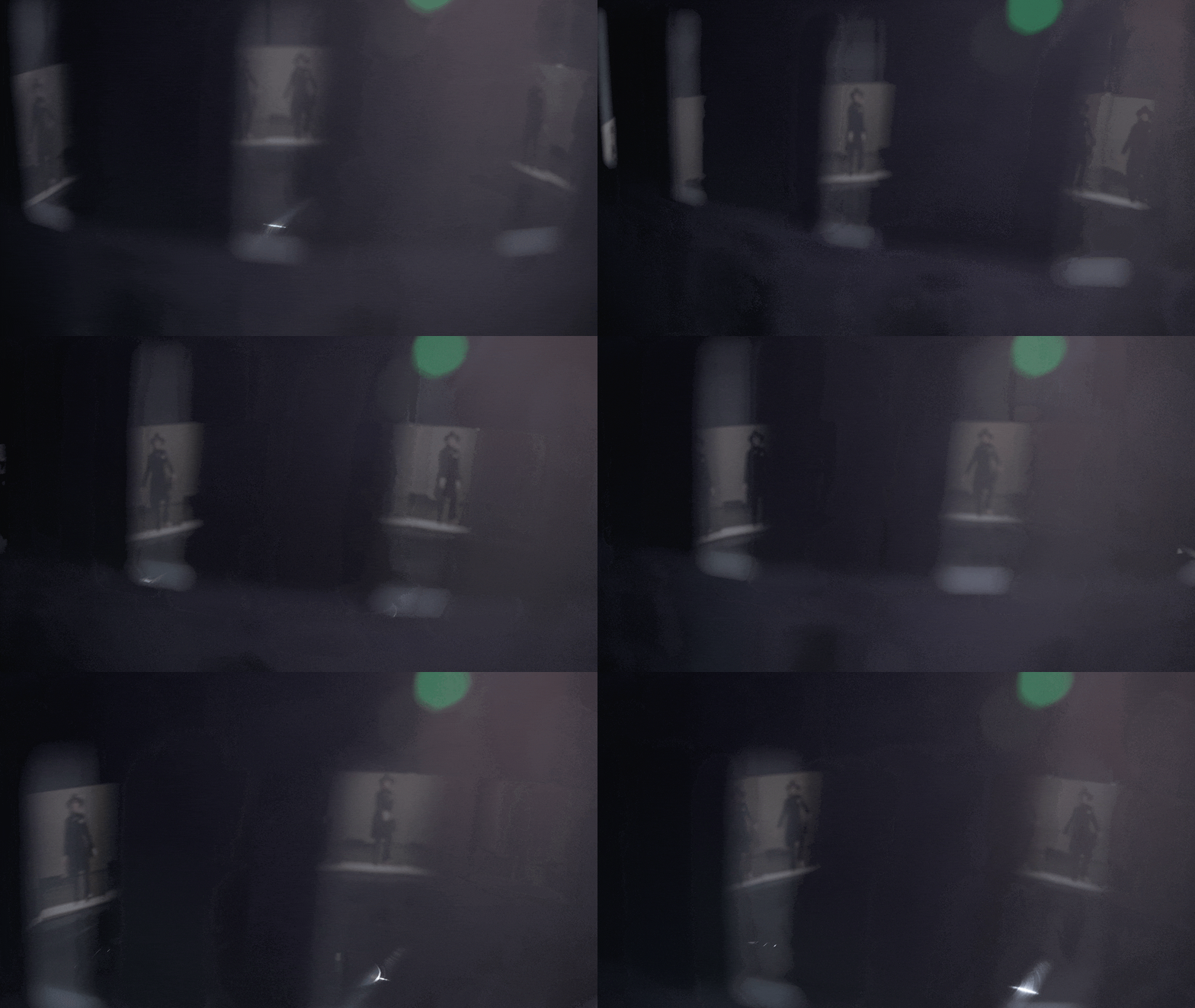
Opening the mirror-board double gatefold sleeve, the die-cut designs reveal two zoetrope vinyl picture discs encased in transparent protective microtene sleeves, that will display animations of John when spinning on a record deck and being filmed with a mobile phone.
Also included in the box is a real zoetrope made of card that will work on your record deck platter.
MORE POSTCARDS
Plus two postcards based on original album advertisement designs from 1973 that glow under UV light.


HIDDEN PUZZLE BOARD GAME
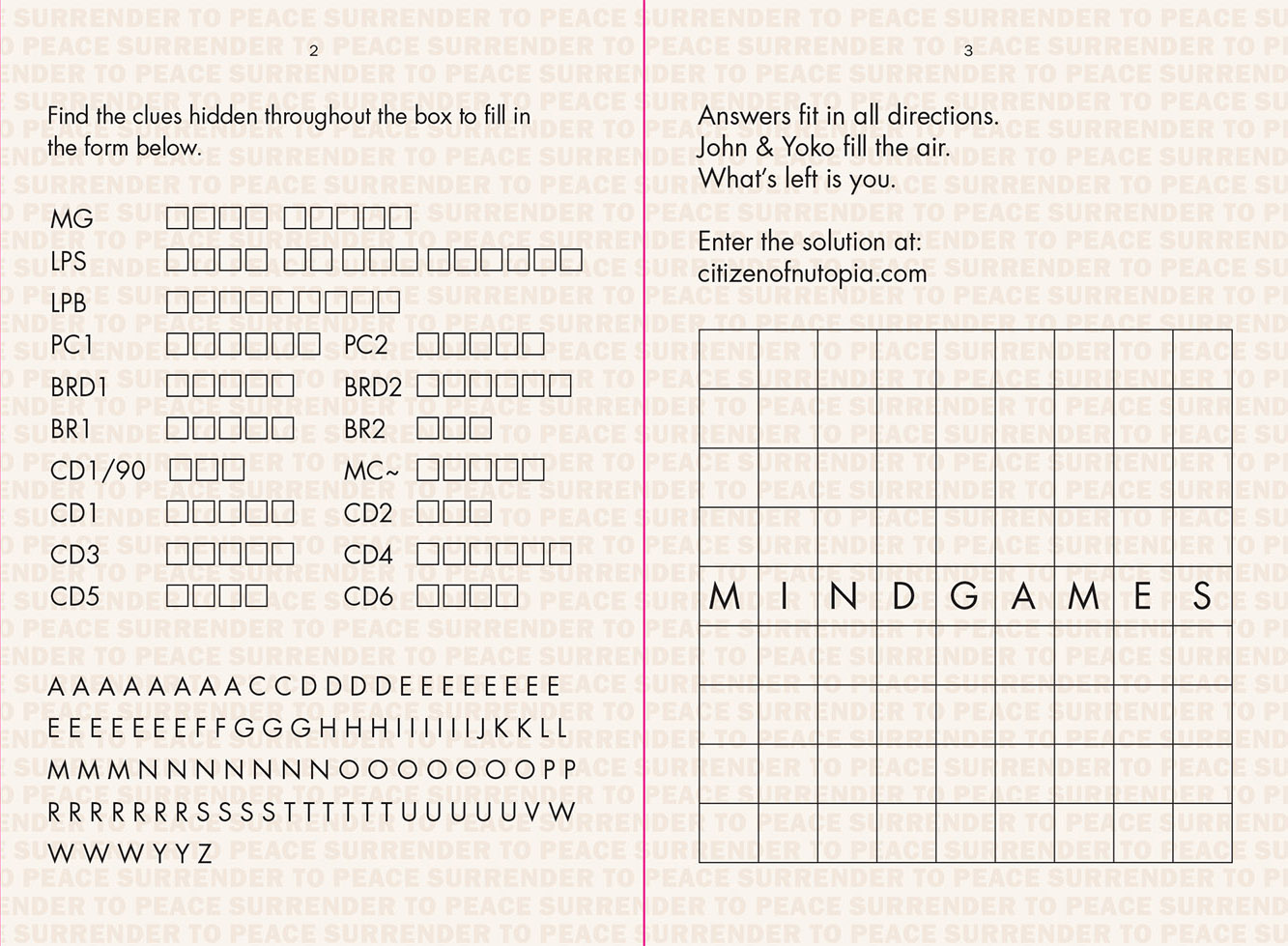
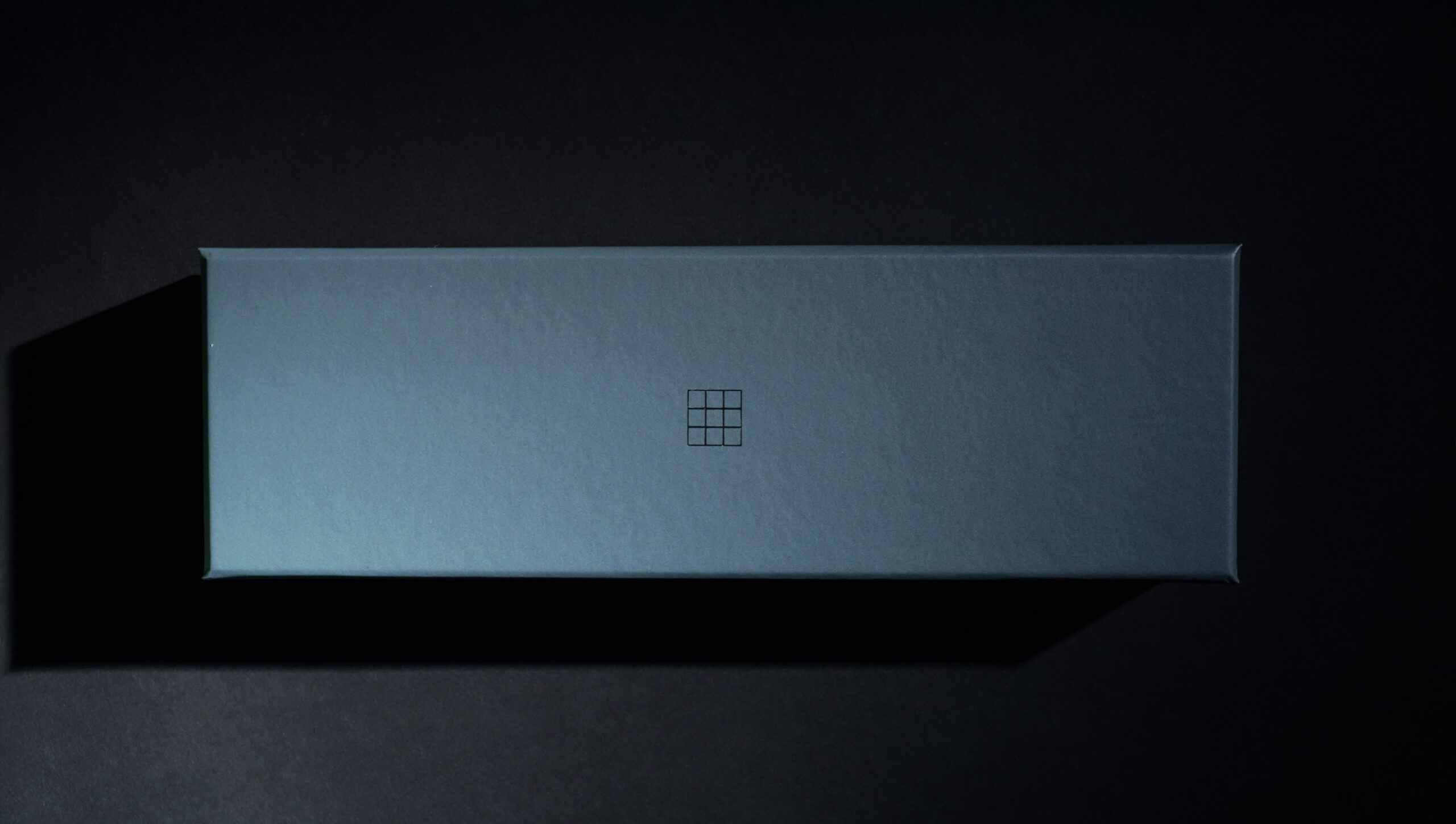
Hidden underneath a magnetic false bottom of the box is a 9×9 squared board game in transparent and white acrylic with MIND GAMES engraved across the middle. This is to be used with the tiles to solve the word puzzle game on the Citizen of Nutopia ID Card.

BOX 4: PUZZLE TILES
Box Four contains a grey linen drawstring bag imprinted with an icon featuring 9 squares within a square – to represent the word puzzle game. Inside are 97 transparent square acrylic tiles, each featuring a single letter in white, to be used in conjunction with the puzzle board that is hidden and to be found under the false bottom of the ‘Magic’ box.
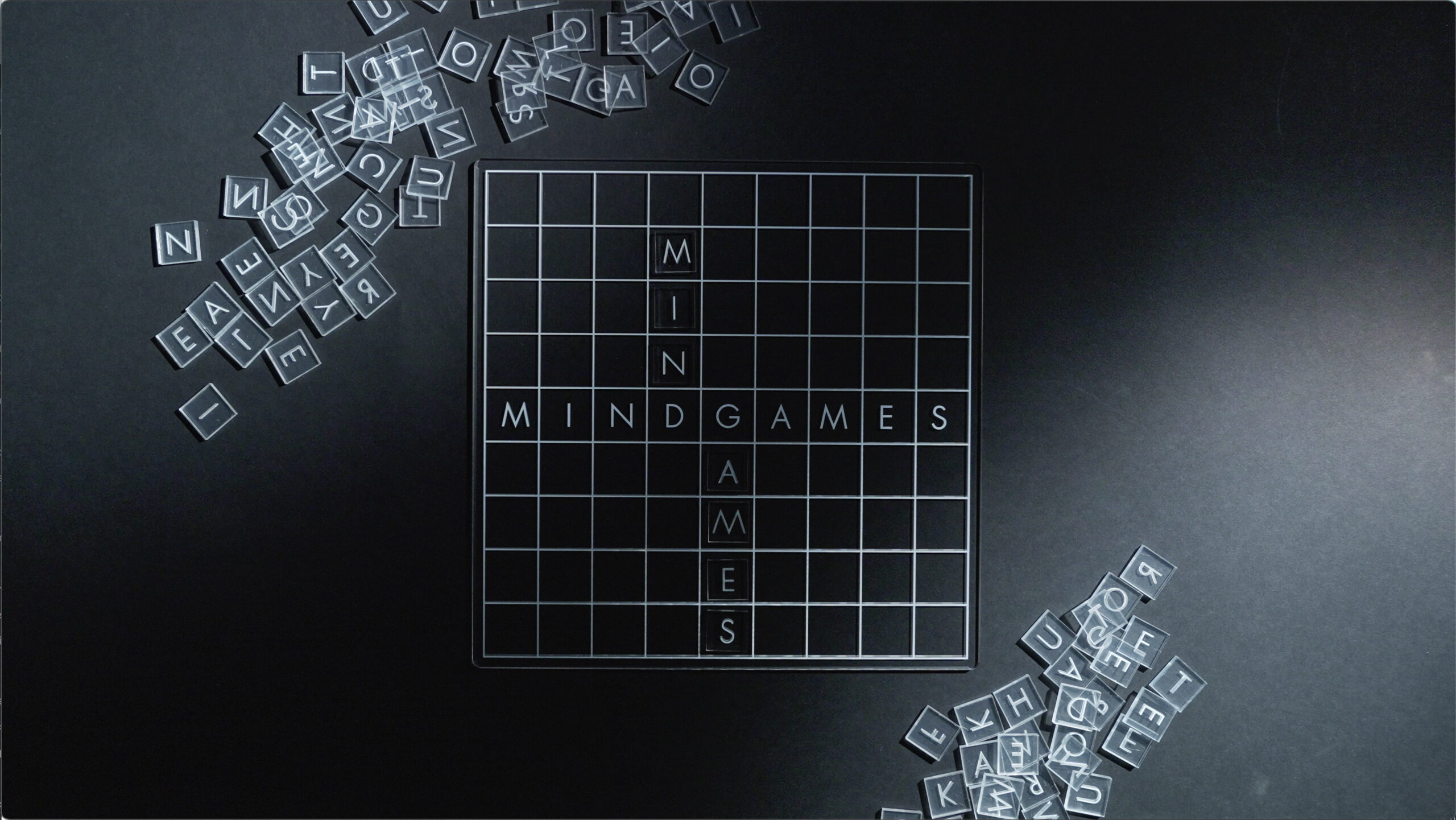
The puzzle tiles and board will help you solve the word puzzle game found on the Citizen of Nutopia ID Card.